Your Ultimate Seoul City Guide
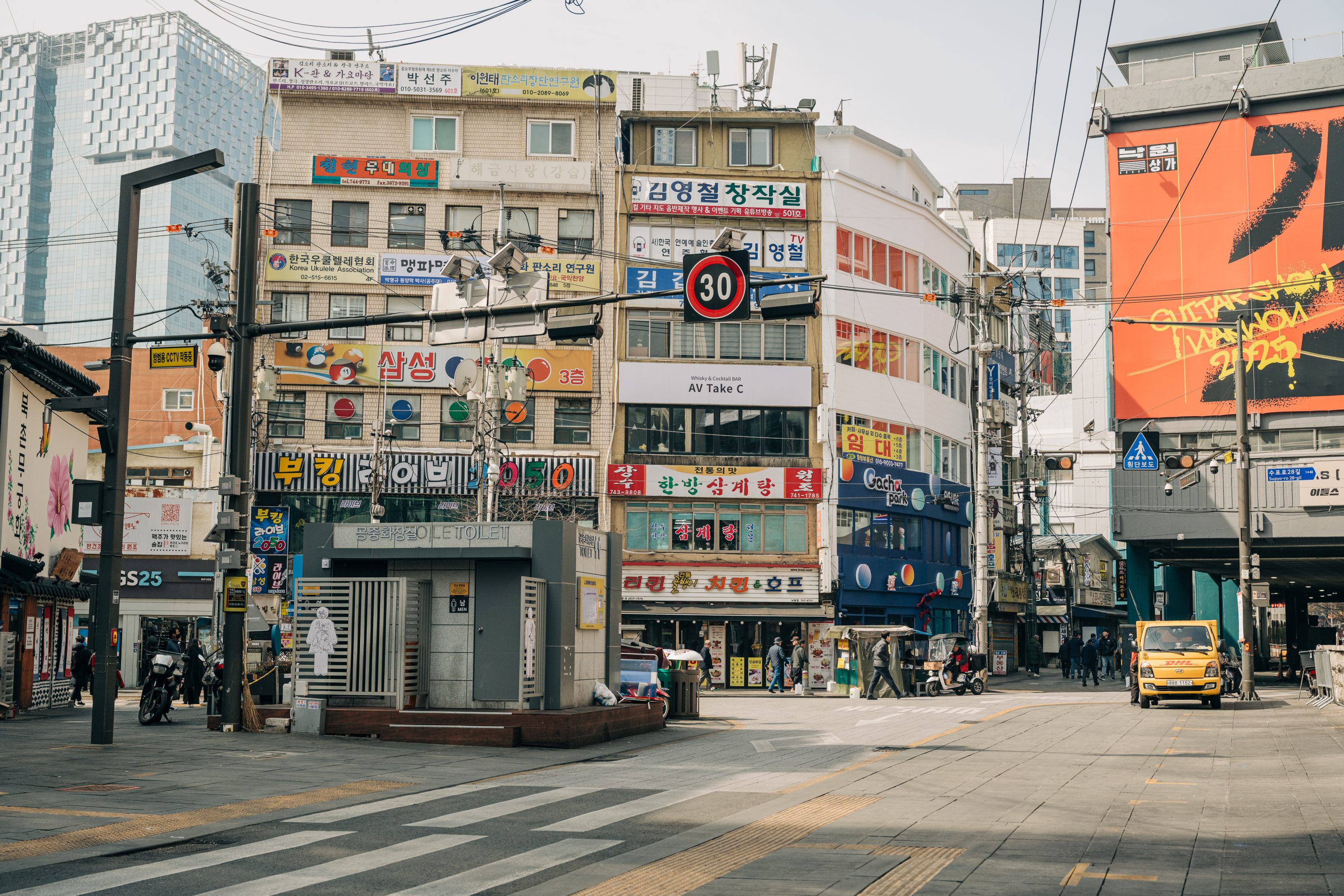
If there’s one city in Asia that promises surprise and delight, it’s Seoul.
Following a recent scouting trip, this is our insider’s take on where to stay, shop, and yes, spa while exploring this trending destination. South Korea’s capital is a study in contrasts. This is a place where centuries-old palaces sit in the shadow of glassy skyscrapers, and quiet hanok-lined streets give way to design-forward neighborhoods shaping global culture in real time. What makes Seoul so compelling right now isn’t just Korea’s influence on worldwide trends—it’s this city’s duality.
Seoul reveals itself as deeply immersive, design-forward, and unexpectedly personal.
During your stay in Seoul, you’ll move seamlessly from the grandeur of the Joseon dynasty at Gyeongbokgung Palace to the creative pulse of Hannam’s contemporary galleries, from traditional markets buzzing with local life to beauty labs driving the global K-beauty movement. And while the city can feel expansive, this Seoul City Guide is designed to be anything but overwhelming. With the right pacing—and guidance from your SmartFlyer travel advisor—Seoul reveals itself as deeply immersive, design-forward, and unexpectedly personal. Whether you’re here for the food, the fashion, beauty treatments, or a closer look at the culture shaping the global zeitgeist.
Where to Stay in Seoul
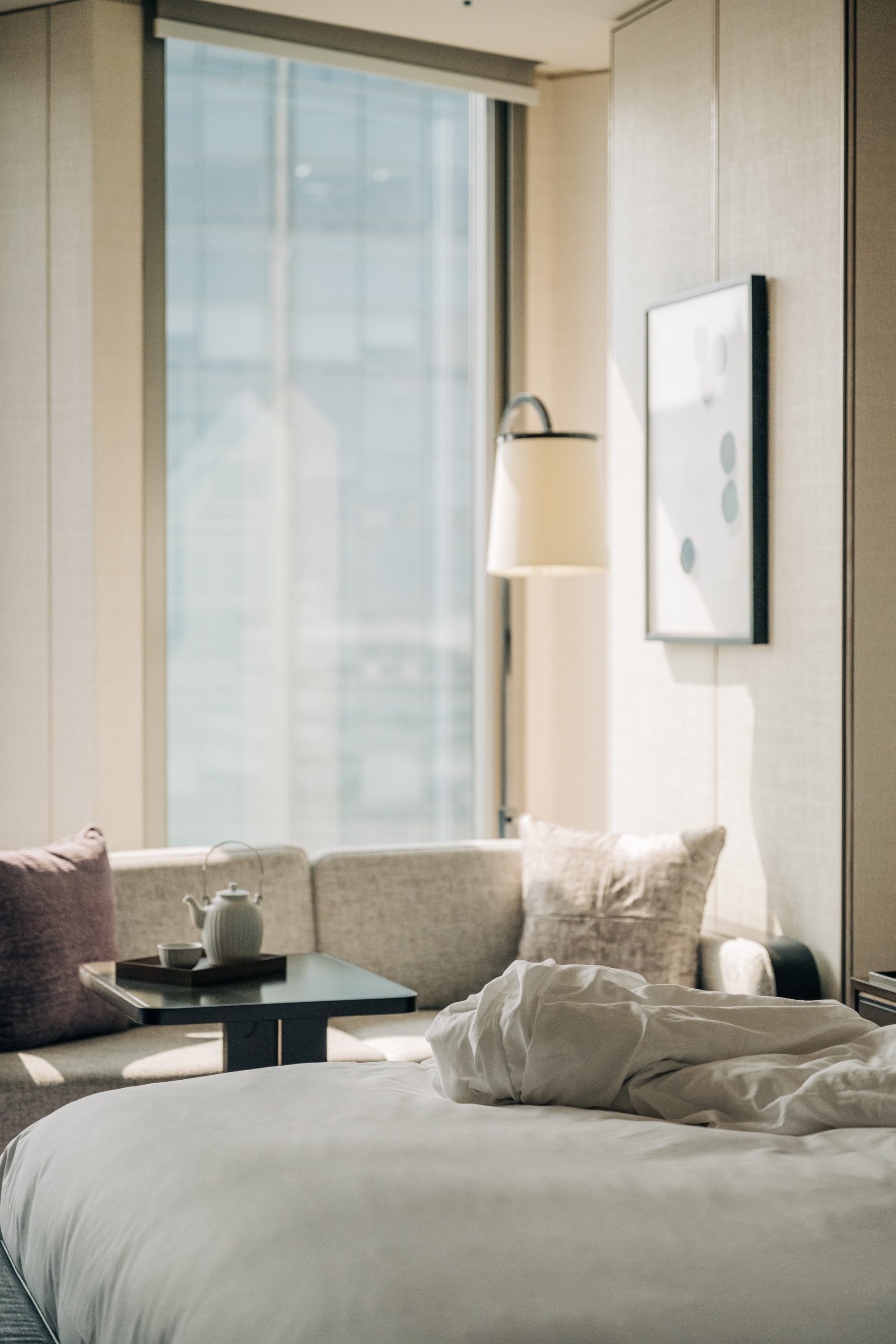
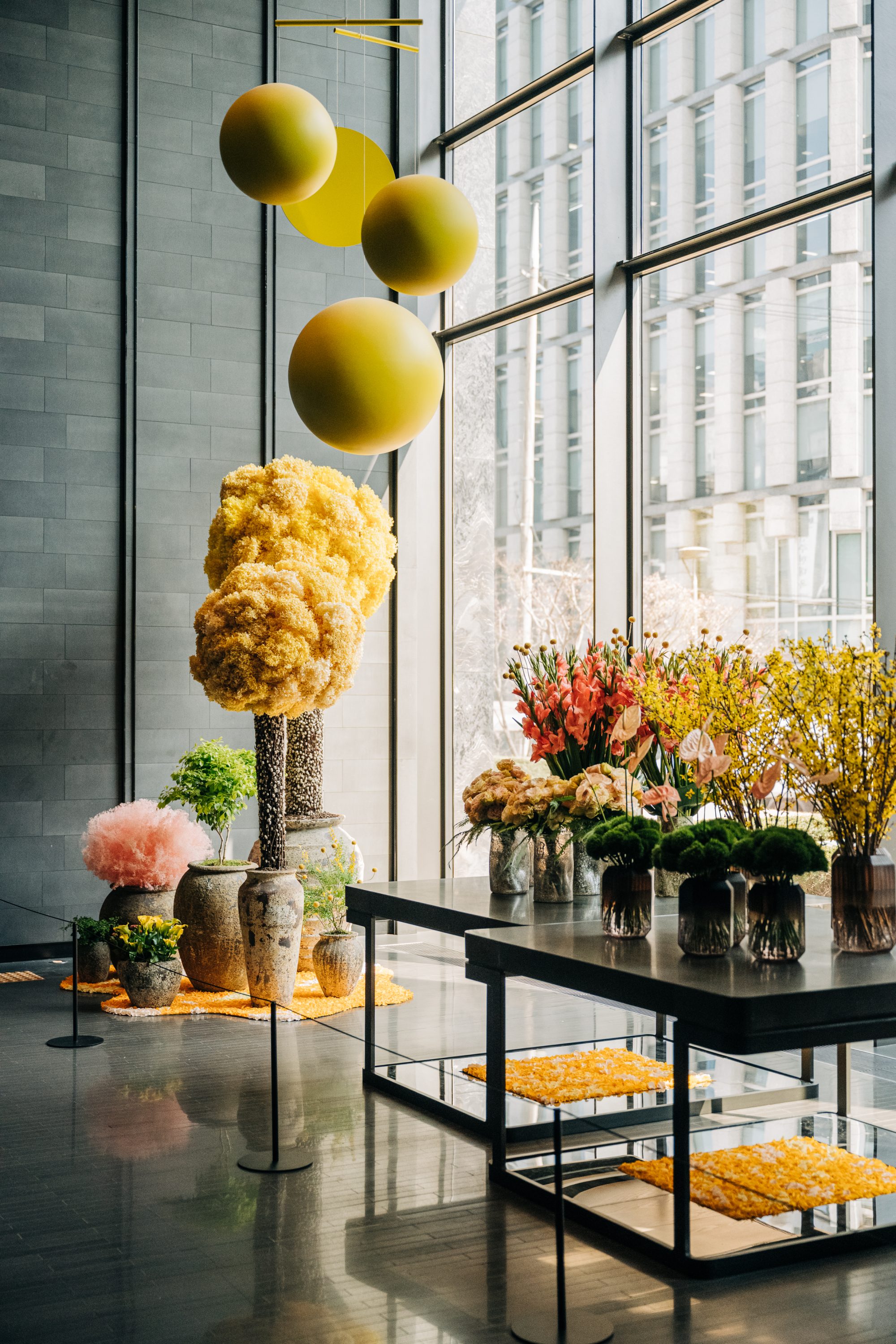
Centrally located near Gwanghwamun Square, Four Seasons Hotel Seoul offers immediate access to the city’s historic core while maintaining a distinctly modern sensibility. Thoughtful design details draw from Korean tradition, while the service and amenities—ranging from curated dining to wellness facilities—create a seamless home base for exploring the city. Its wellness facility is particularly notable for those visiting Seoul to dig into self-care.
-
-
Seoul City Guide: Neighborhoods We Love
Gangbuk for Historic Seoul
The cultural backbone of the city, Gangbuk is where you’ll find Seoul’s most iconic landmarks—palaces, hanok villages, and traditional markets—alongside neighborhoods like Insadong and Ikseon-dong that balance preservation with thoughtful reinvention.
Hannam and Itaewon
Seoul’s refined creative enclave, these pockets are home to the Leeum Museum and a growing cluster of contemporary galleries. Hannam blends art, architecture, and dining in a way that feels distinctly global yet rooted in Korean design sensibility.
Seongsu
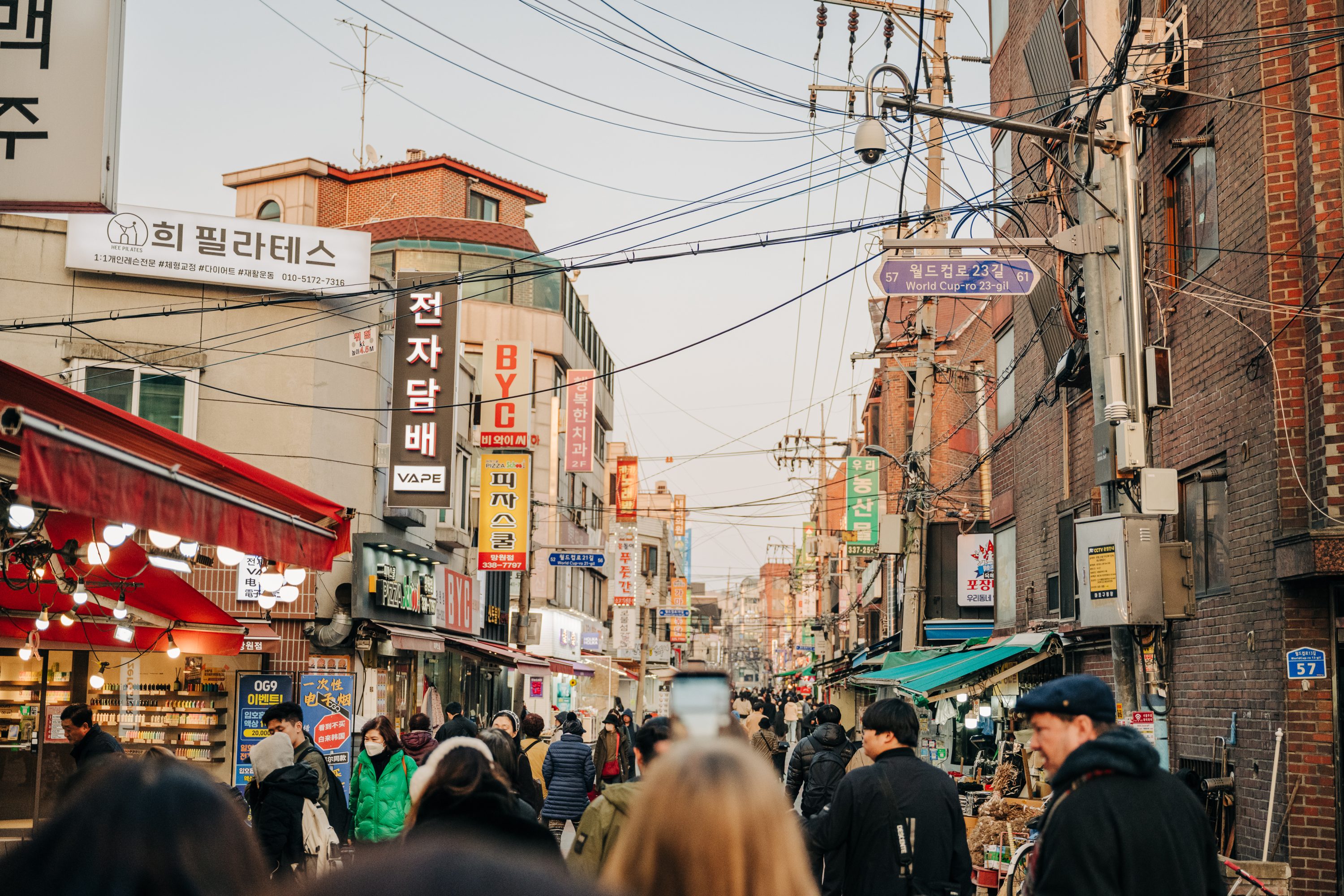
This is the city’s trend engine. Once industrial, now entirely reimagined, Seongsu is where you’ll find Korea’s most interesting retail concepts—from beauty flagships to fashion incubators—alongside a café scene that rivals anywhere in the world.
Gangnam
Polished, elevated, and unmistakably Seoul, Gangnam is South of the river and delivers on high-end shopping, fine dining, and statement architecture—anchored by destinations like COEX and its iconic Starfield Library.
What to Do If You Only Have a Few Days in Seoul
Day One: Seoul, Then and Now
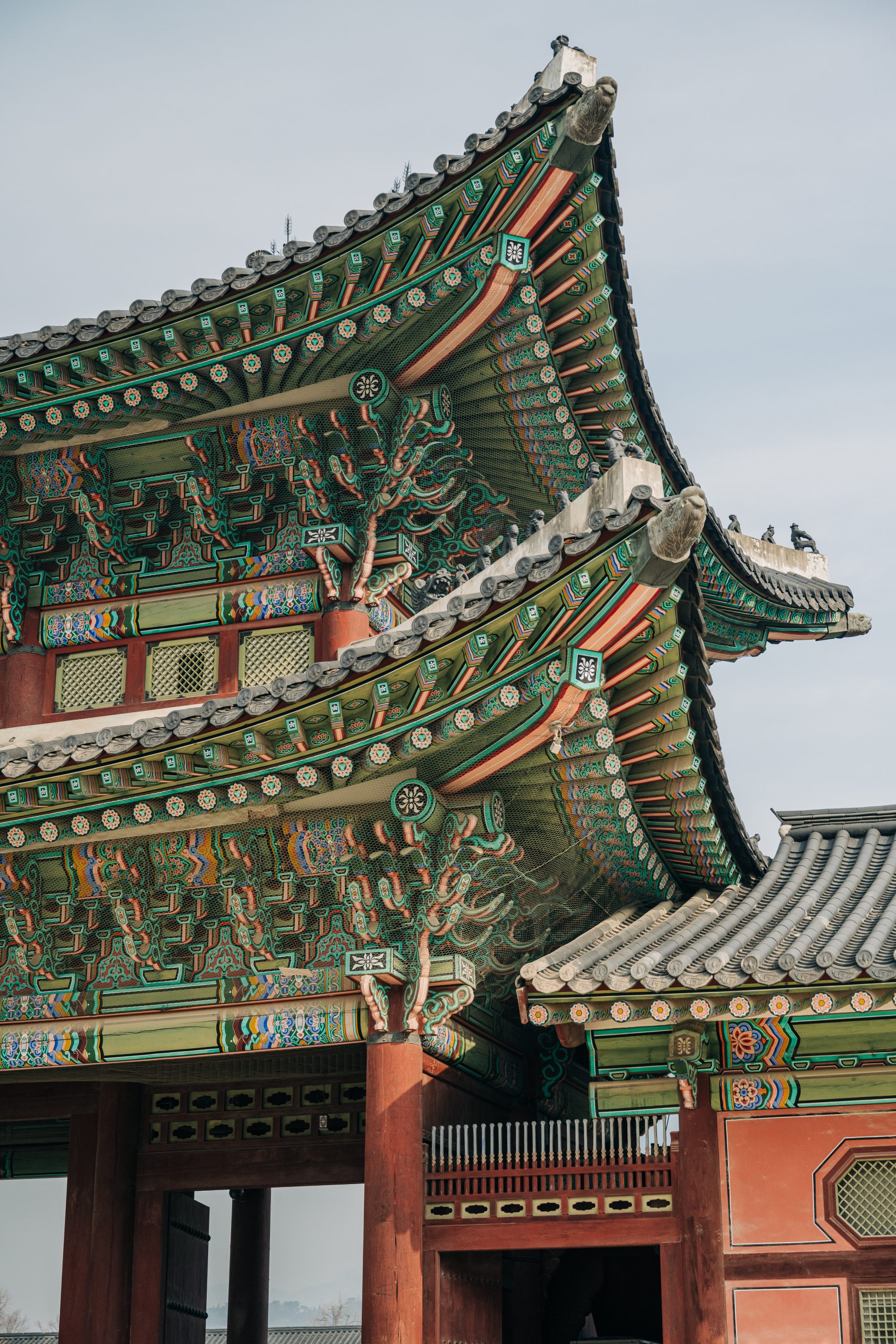
Start in Gangbuk, where Seoul’s story begins. Following a hearty breakfast at Four Seasons Hotel Seoul, walk to Gyeongbokgung Palace, to witness this colorful structure dating back to 1395. The Palace is open every day except Tuesdays; plan your visit to be on site at ten o’clock when the Royal Changing of the Guard Ceremony takes place, a ritual that lasts about twenty minutes.
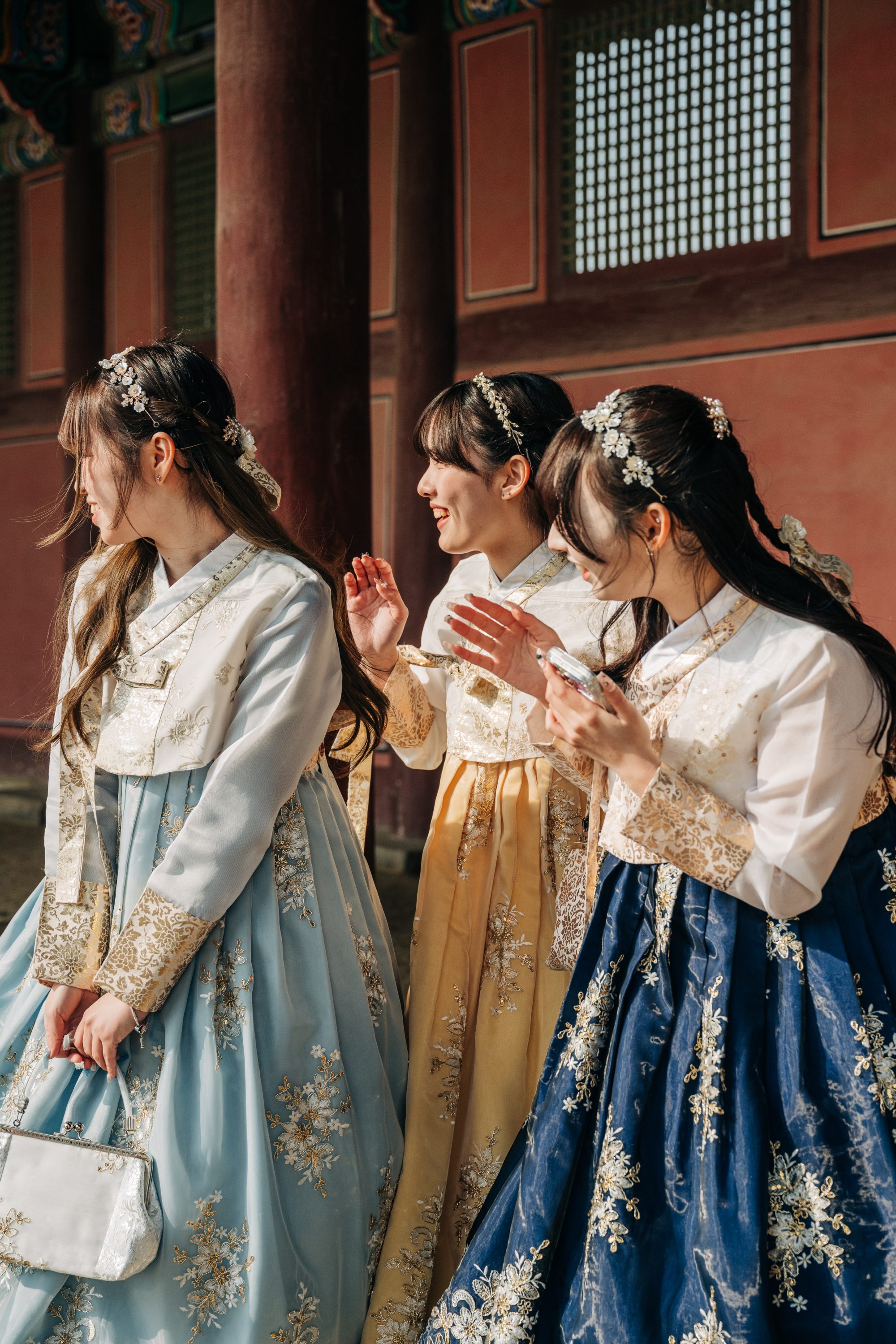
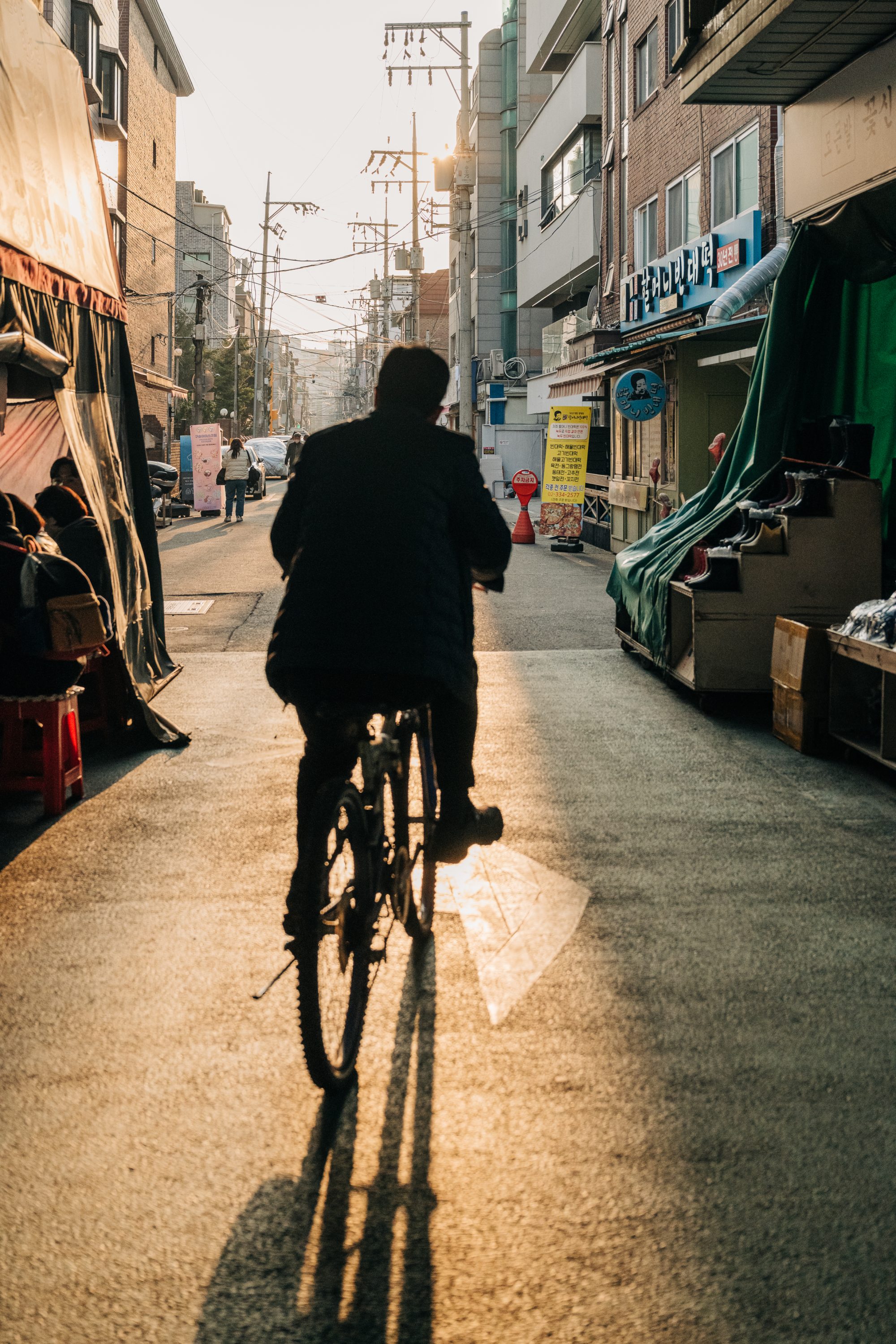
From here, hop into your car with your guide to slip into the quieter rhythm of Bukchon Hanok Village, where tiled rooftops and narrow alleyways offer a window into Korea’s architectural past. Be sure to keep your voice down, as there are actual homes in this neighborhood dating back to the Joseon dynasty, and as such, a strict policy to maintain decorum.
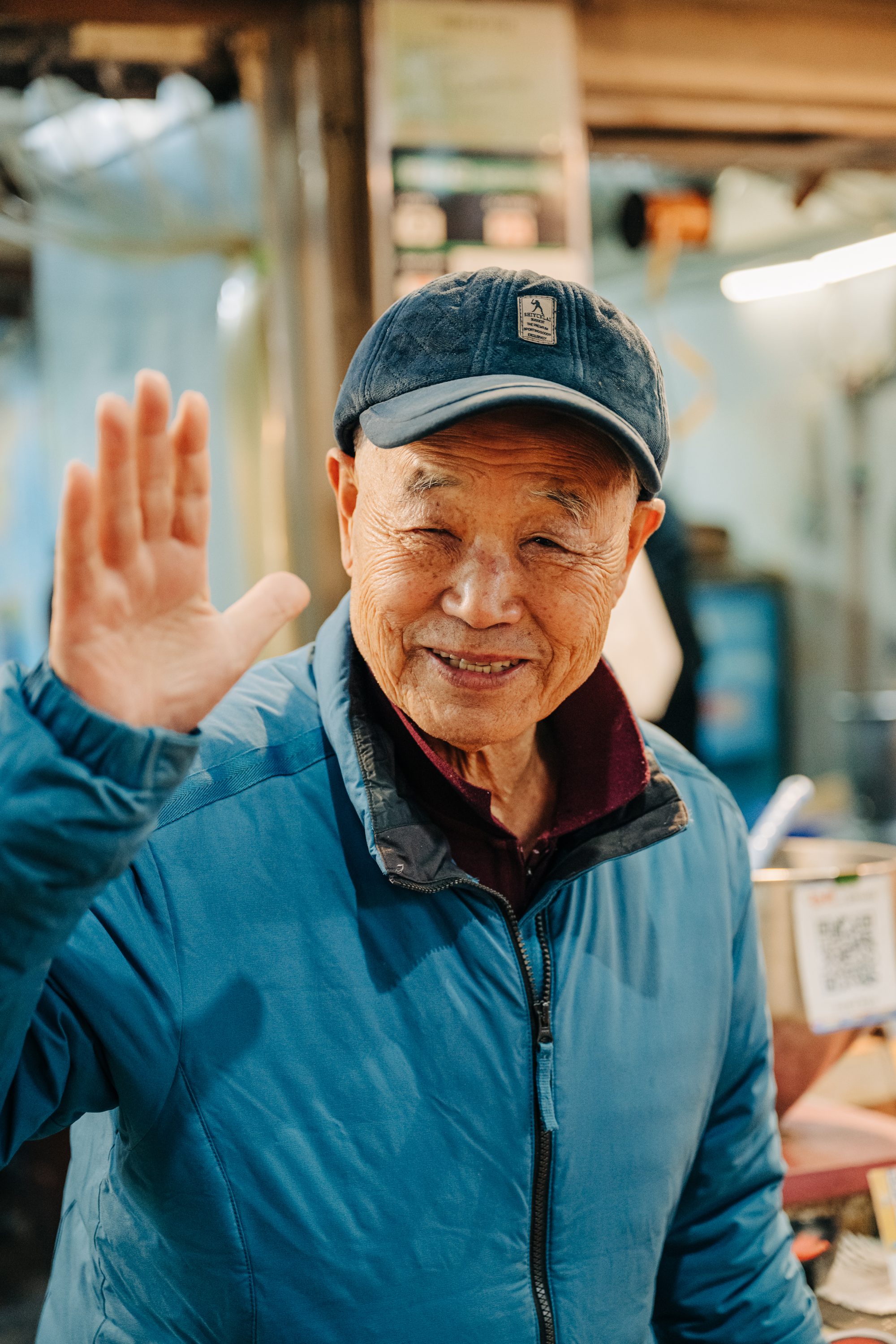
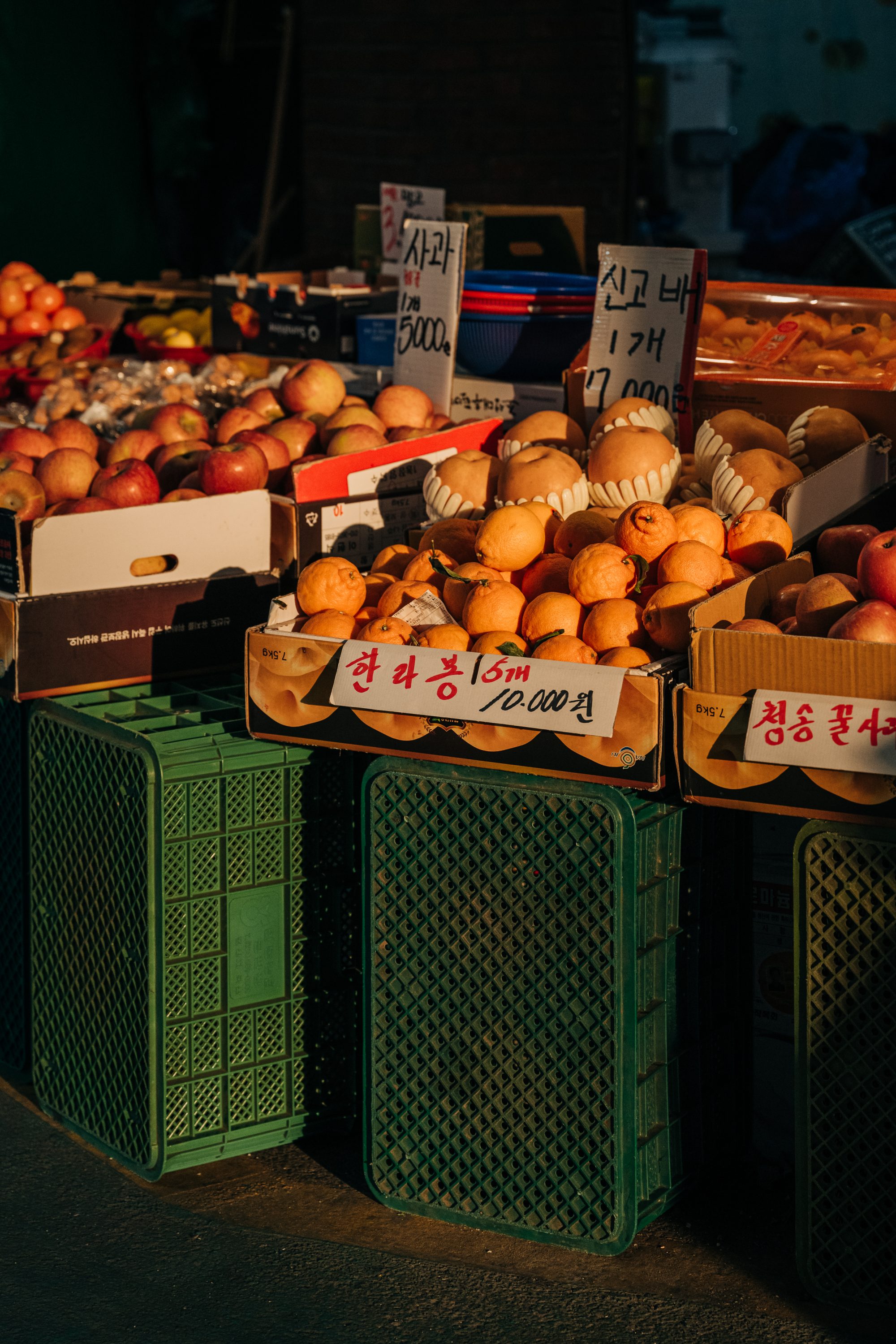
…nearby markets like Gwangjang deliver your first real taste of Seoul’s food culture, best experienced by grazing from stall to stall.
From there, Insadong and Ikseon-dong layer in a more contemporary energy—boutiques, tea houses, and design-forward cafés tucked into reimagined hanoks. We recommend lunch at Balwoo Gongyang, a refined temple cuisine restaurant in Insadong. while nearby markets like Gwangjang deliver your first real taste of Seoul’s food culture, best experienced by grazing from stall to stall. If time allows, schedule in for a treatment this afternoon. For dinner, we recommend Samwon Garden, a classic for Hanwoo Beef BBQ, a more elevated take on the quintessential K-BBQ experience, complete with polished service.
-
-
Day Two: Context and Contrast
Today is all about adding depth to your Seoul experience. For those interested in better understanding Korea’s current political climate, a visit to the DMZ offers a rare and sobering look into the Korean peninsula’s ongoing divide. This experience helps reframe much of what you’ve seen in the city itself, but do note that this excursion requires an early morning departure and a return in late afternoon.
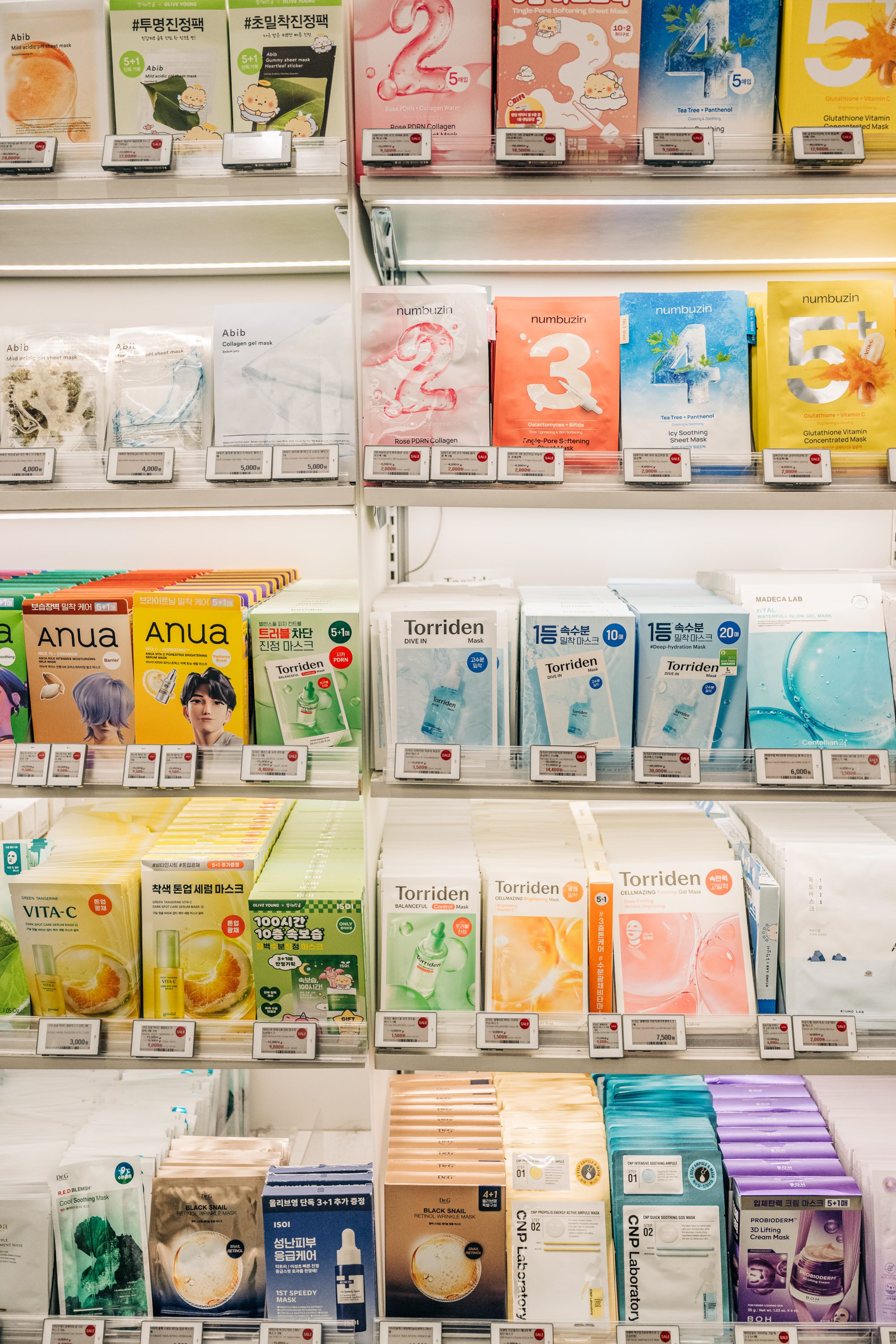
…explore Myeongdong, where beauty, fashion, and high-energy retail define one of the city’s most recognizable districts.
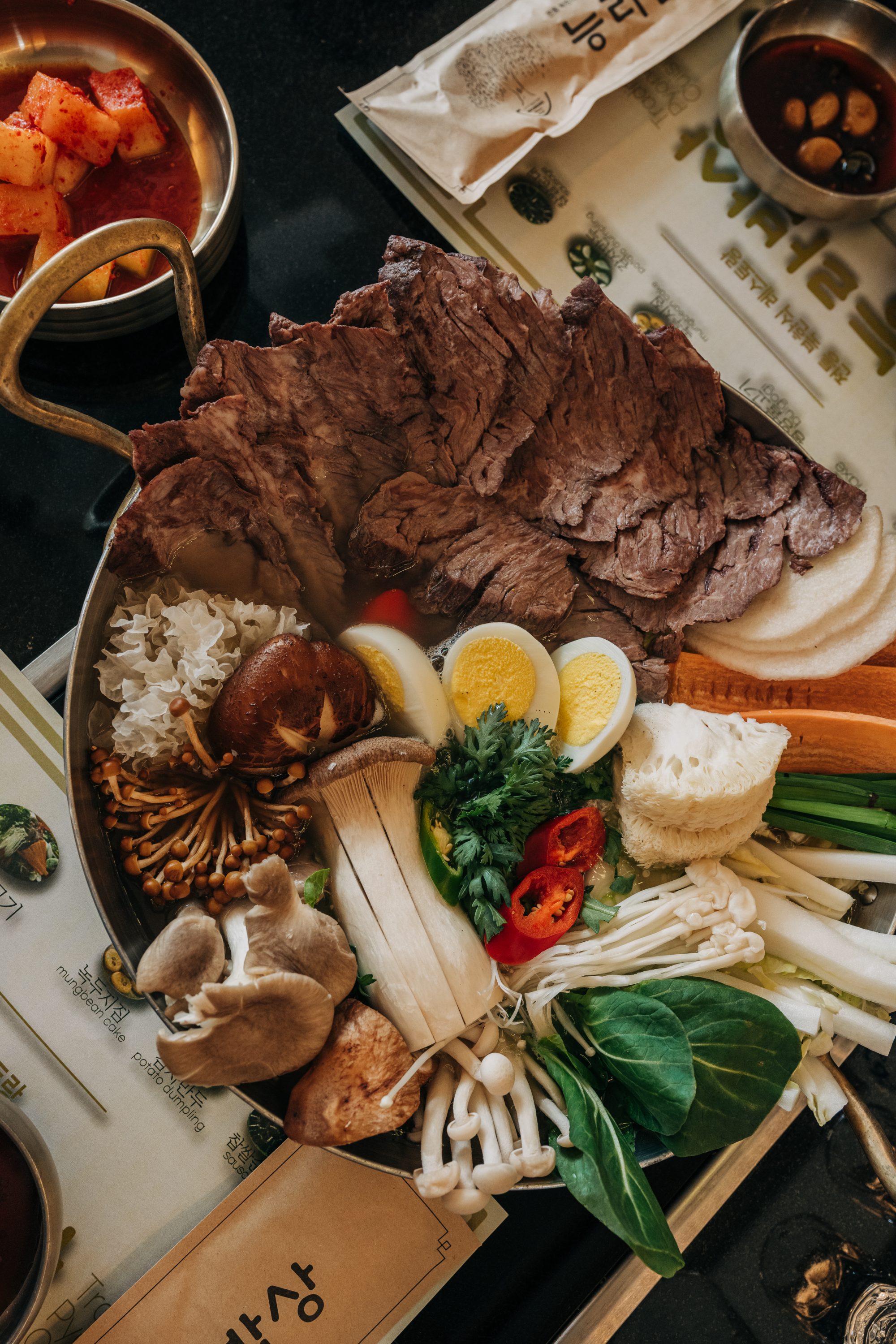
Back in Seoul, the tone lightens but remains thoughtful. A stop at the National Museum of Korea brings historical context into focus, while a North Korean–style lunch at Neungra Bapsang offers a surprising and meaningful culinary contrast thanks to the owner, Lee Ae-ran, who shares her story as the first North Korean defector to earn a PhD and ultimately, open a restaurant serving dishes from her childhood. The afternoon is yours to explore Myeongdong, where beauty, fashion, and high-energy retail define one of the city’s most recognizable districts. Don’t miss a stop at the second biggest Olive Young (the biggest is in Seongsu) before ending the day with panoramic views from N Seoul Tower. For dinner, consider YU YUAN, a Michelin-starred Cantonese restaurant back at the hotel for a restful end to your big day.
-
-
Day Three: Seoul at the Forefront
By your third day in Korea, you’ll be fully in modern Seoul mode. Begin in Seongsu, often dubbed the “Brooklyn of Seoul,” where converted warehouses now house the city’s most directional fashion labels, beauty flagships, and café concepts. Spend the morning browsing flagships like Gentle Monster and Tamburins. It’s here that Korea’s global influence feels tangible.
From there, continue to Hannam, where galleries and design spaces anchor a more refined creative scene—think museum-quality exhibitions alongside some of the city’s most compelling dining. Anchor your visit around Leeum Museum of Art. Hannam is dense with options, many within ten minutes of the museum; consider Parc, a refined yet approachable Korean spot ideal for lingering.
This afternoon is at leisure to carve out time for some K-Beauty, or more exploration. If opting for the former, a personalized color analysis at O HUI Spa is the perfect way to ease into a results-driven facial. If you prefer more time discovering the city, head across the river in Gangnam, where polished shopping streets, high-design cafés, and a proper Korean BBQ dinner round out the experience with a sense of scale and sophistication.
-
-
K-Beauty, But Make It Elevated
With over a million annual visitors who visit Seoul for aesthetic treatments, it’s easy to deem this city as an epicenter of global beauty. And while we’re not in the business of recommending clinics, your SmartFlyer travel advisor can partner with a K-Beauty expert who acts as a concierge specific to your K-Beauty needs. Or, should you wish for a more DIY route, the Four Seasons Hotel Seoul concierge can help book your appointments if you’re specific about which clinic you want to visit and for what treatment. We’ve rounded up some of the most highly requested
- Laser Treatments: If hyperpigmentation, rosacea, or broken capillaries are top of mind to address, lasers are easily accessible in Korea, with costs in the $500+ range.
- Scalp Treatments: Head spas are all the rage on social media these days, but it’s no surprise that this treatment was popularized in Korea. If the goal is to promote hair growth, PRP Microneedling can be used to stimulate hair follicles; typically, this treatment is in the $500-$1,000 range. The most premium treatment for the scalp is stem cell injections (more on those later!), which typically costs $1,500-$3,000.
- Volume Enhancers: Filler, Collagen Biostimulants, and Fat can all be injected in areas where there has been volume loss. Fillers in the form of Belotero, Juvederm, or a Korean brand last for six months to a year, with prices ranging from $200-$500/cc. For more subtle volume, products like Sculptra, Radisse, Juvelook Volume, Olida, or Ellanse can be used to smooth fine lines and help build natural volume over time; a full face treatment starts at $1,000. Finally, fat grafting is a surgical option requiring mini liposuction where fat is extracted and reinjected into different parts of the face or body, ranging from $1,500 to $3,000.
- Skin Boosters: Ideal for hydration, healing, and shrinking pores, there are four primary types of booster treatments. Rejuran Healer is a go-to for dry or sensitive skin. Exosomes are a plant-based option for acne-prone skin. NCTF or “Chanel” booster contains vitamins and antioxidants to give skin a glowy quality. Finally, Juvelook Skin Boosters jumpstart your skin’s natural collagen production in the dermis. These treatments are administered three different ways: through Potenza Microneedling for the minimal downtime and pain, a Dermashine Stamping Device, which tends to be most preferred, or manual injections, which have the most downtime.
- Stem Cell Therapies: A key driver of innovation in Korean skincare, stem cell therapies promote cell regeneration when administered via IV. By law in Korea, patients may only receive stem cell injection from their own body—using blood (most common), fat, or bone marrow—which varies drastically from current US policies (with the exception of Florida) that require stem cells to be derived from the umbilical cord or placenta. Injections can be done into the client’s scalp, face, stretch marks, or any other troublesome area. Note that IV treatments with stem cells from blood start in the low thousands, while IV treatments with stem cells from fat range up to $20,000.
- Personal color analysis: A distinctly Korean approach to identifying your most flattering tones across wardrobe and makeup, “getting your colors done” is a no-brainer in Seoul.
- Where to shop for K-Beauty: Myeongdong for accessibility, Seongsu for trend-driven brands, and flagship stores for a more curated experience.
TLDR; What To Do in Seoul
If you’re more of a list person, we’ve broken down some of the must-see sights and stores below.
Start with the classics in Gangbuk
- Gyeongbokgung Palace: Seoul’s most iconic royal palace, best experienced during the changing of the guard.
- Bukchon Hanok Village: A preserved neighborhood of traditional homes with alleyways that evoke Seoul’s past.
- Insadong and Ikseon-dong: Tea houses, boutiques, and reimagined hanoks in one of the city’s most walkable districts.
Add cultural context
- National Museum of Korea (Yongsan): A comprehensive look at Korean history and art.
- DMZ: A powerful, eye-opening glimpse into the peninsula’s divide.
Tap into Seoul’s creative scene in Hannam
- Leeum Museum of Art: A standout museum blending traditional and contemporary works.
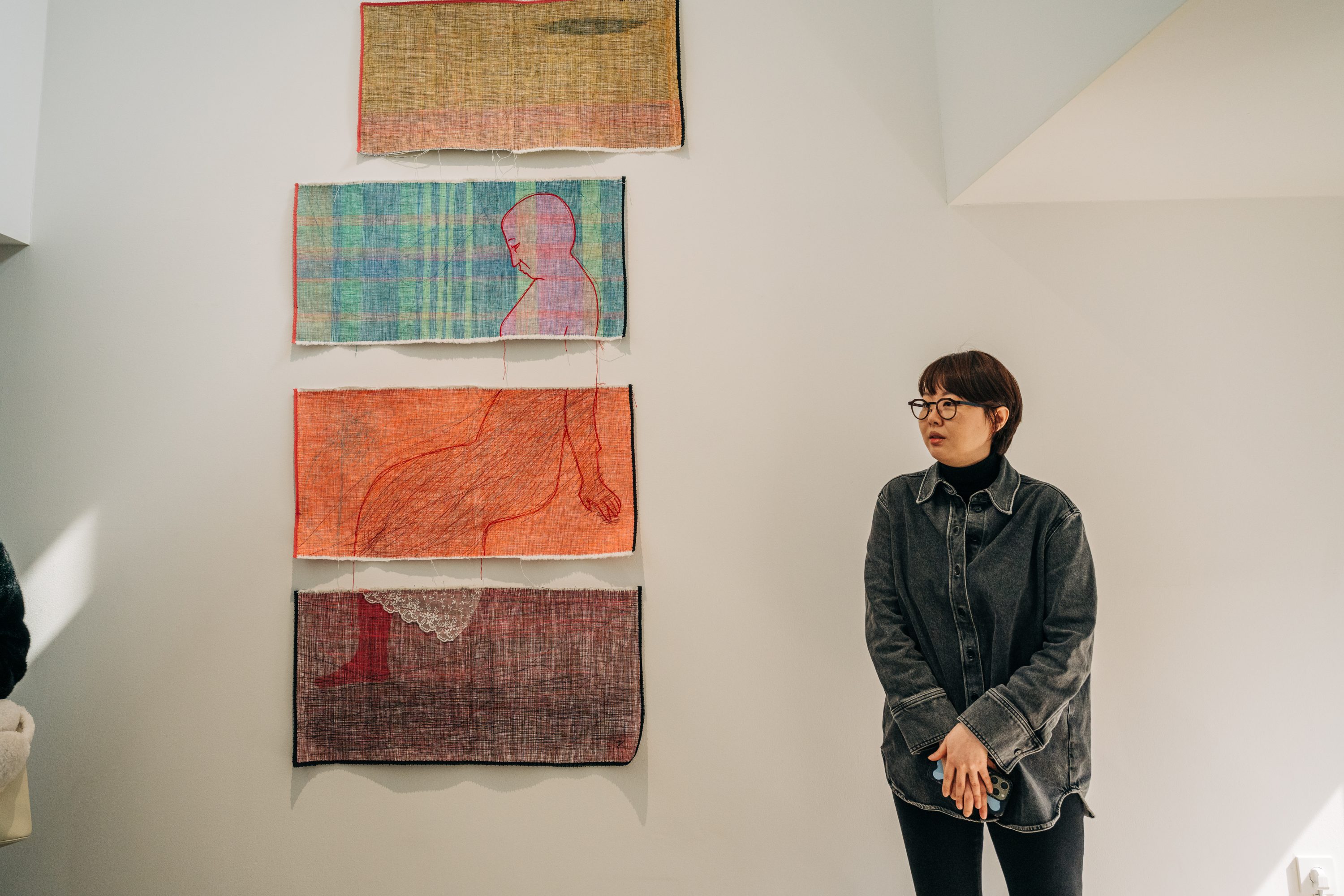
- Thaddaeus Ropac: A global gallery bringing blue-chip contemporary art to Seoul.
- Gallery Joeun: A quieter space spotlighting Korean artists.
-
-
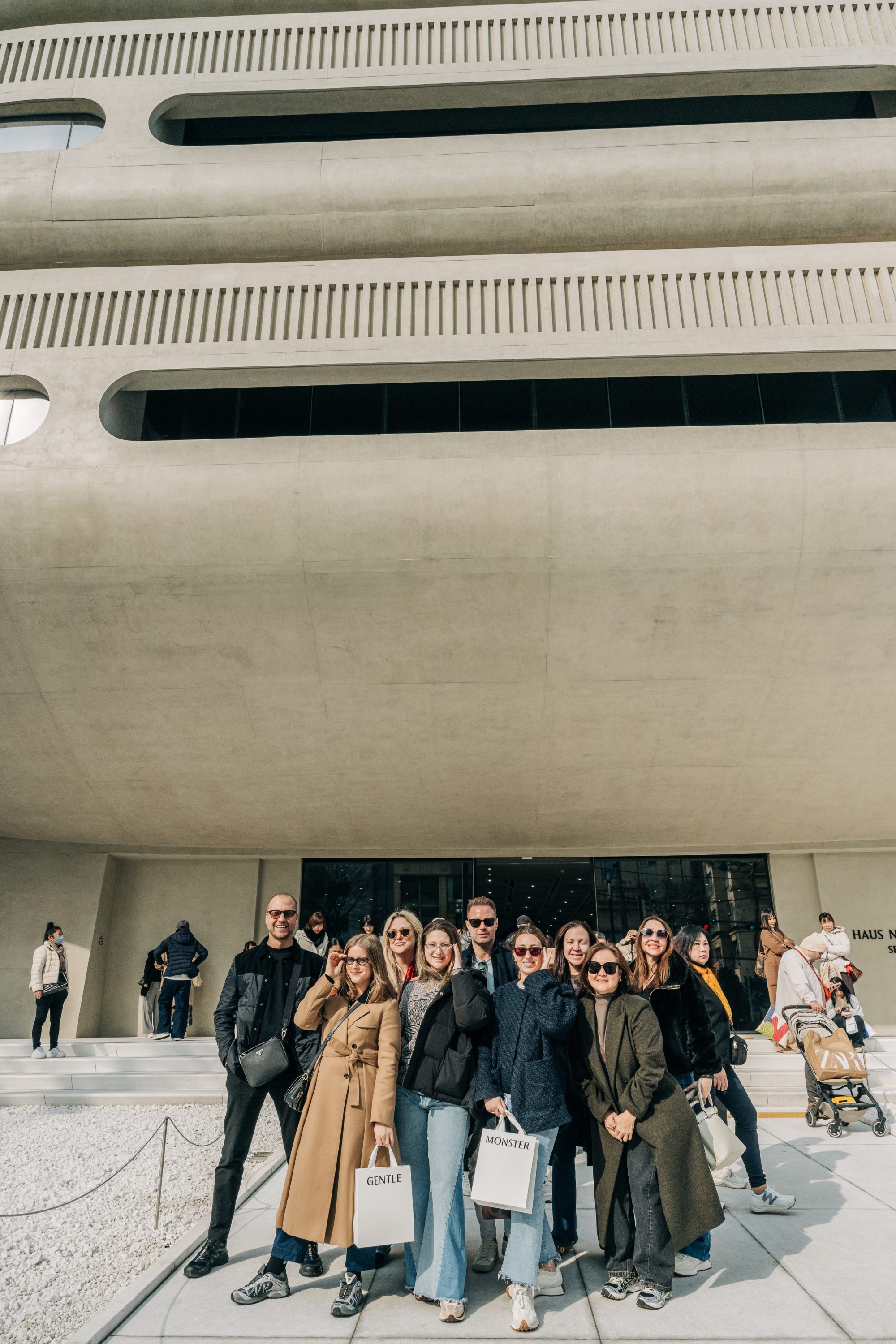
Seongsu Shopping
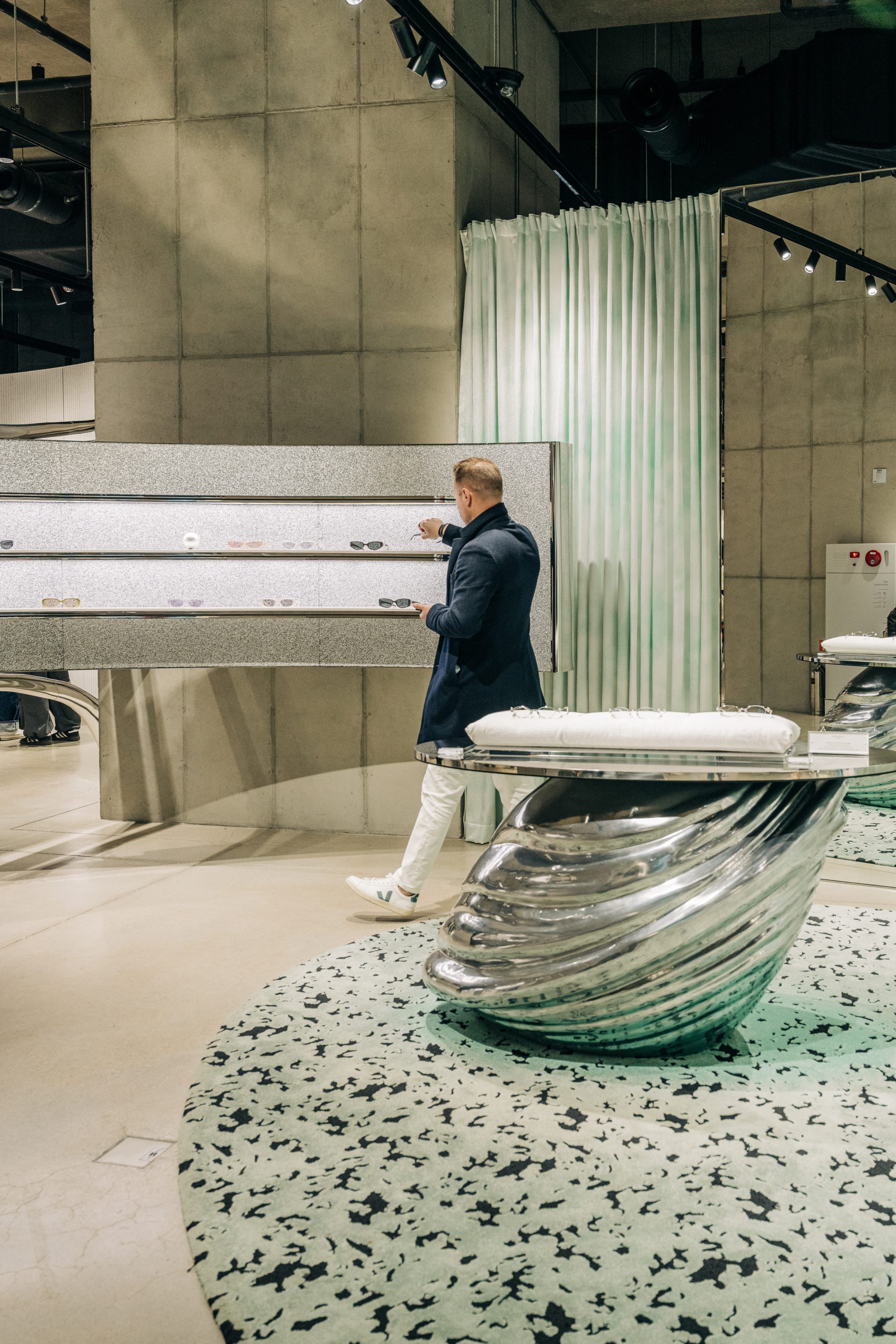
- Gentle Monster: Experiential retail meets cutting-edge eyewear in this expansive boutique located in HAUS NOWHERE. This flagship functions as a museum-meets-experiential shop.
- Tamburins: Sculptural beauty products in a design-forward setting, this Seoul-based brand is known for its fragrances and “anonalous beauty” concept.
- Musinsa Store: A hub for Korea’s most directional streetwear.
Where To Eat and Drink in Seoul
Café Worth going out of your way
- Cafe Onion Anguk: A cult-favorite bakery in a repurposed industrial space.
- Jayeondo Sogeumppag: A must when in Seoul, the salt bread from this spot draws a worthwhile line.
- Saddler Haus: Known for its caramelized French toast—and the line it draws.
- Camel: Minimalist design with standout coffee.
- H Coffee Roasters: A favorite among serious coffee drinkers.
- PHAL: Under-the-radar, design-led, and worth the detour.
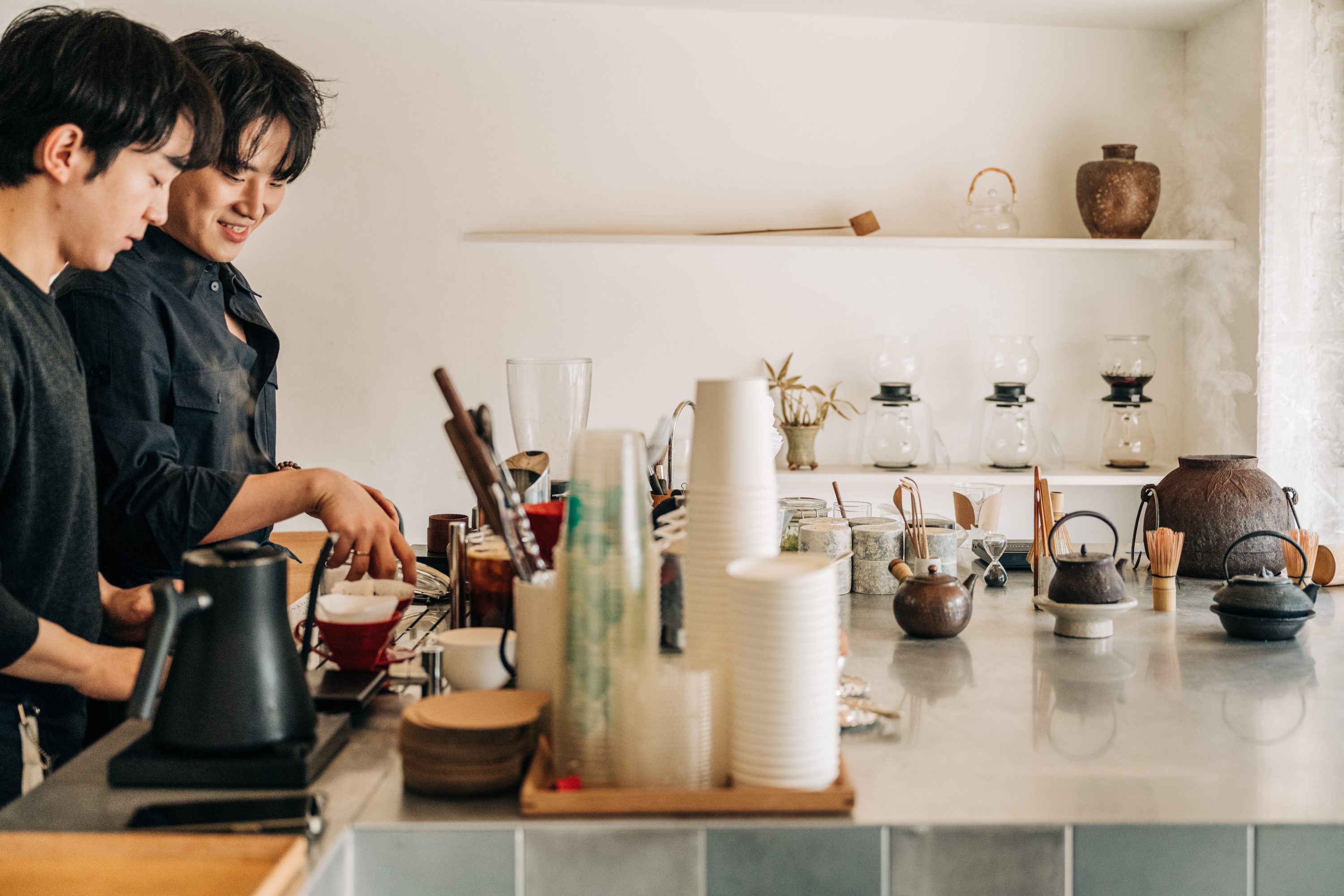
Traditional Eats in Gangbuk
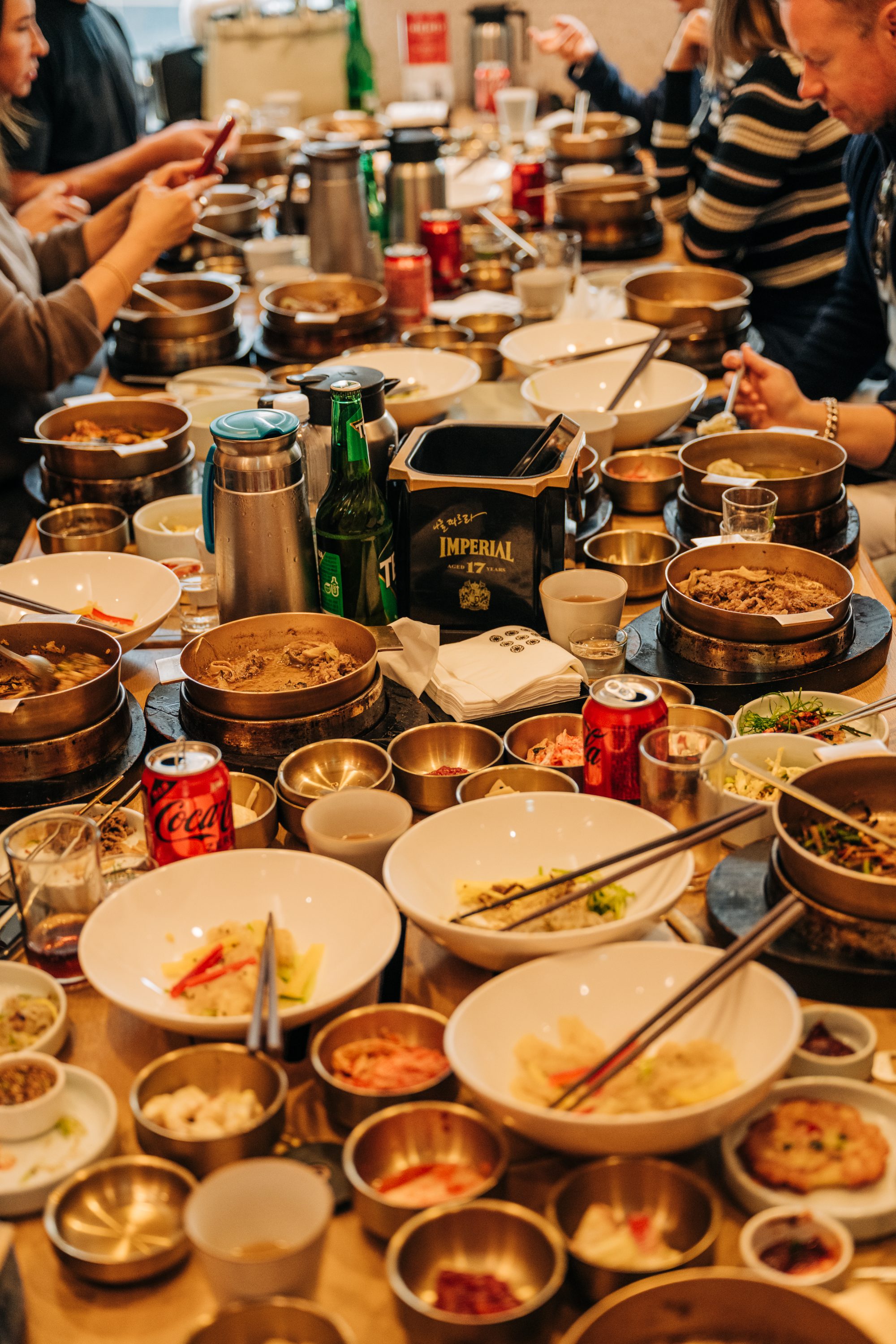
- Balwoo Gongyang: A serene temple cuisine experience rooted in Buddhist tradition, where seasonality and simplicity take center stage.
- Woosol: A classic Hanwoo beef BBQ spot in Bukchon that feels both traditional and quietly refined.
- 853: A no-frills, in-the-know Korean pork BBQ destination known for quality cuts and attracting a loyal local following.
- Myeongdong Kyoja: Seoul’s most famous dumpling and noodle house, worth it for a quick, iconic meal.
Korean BBQ
- Samjunghanu: An elevated take on Korean BBQ specializing in premium Hanwoo beef in a more polished setting.
- Kimjinmoksam: A lively, crowd-favorite pork BBQ spot that delivers big flavor and even bigger energy.
Casual, but essential
- Hyodo Chicken: Korean fried chicken done right—crispy, flavorful, and best enjoyed with a cold beer.
Seongsu (lunch between shopping)
- Damsot: Known for its hot stone rice bowls topped with seasonal ingredients, served with just the right amount of ceremony.
- Somunnan Gamjatang: A beloved spot for rich, slow-simmered pork bone soup that’s deeply comforting.
- Woongkal: Handmade noodles in a casual setting, ideal for a quick but satisfying stop.
Hannam / Itaewon for Dinner and Drinks
- Mr. Ahn’s Makgeolli: A modern Korean bistro pairing elevated small plates with traditional rice wines.
- Southside Parlour: A rooftop bar with craft cocktails and a relaxed, expat-meets-local crowd.
- Soko: A minimalist cocktail bar known for thoughtful drinks and a design-forward atmosphere.
- 232: A buzzy, intimate spot that feels like a true insider’s pick for a night out in Hannam.
-
-
International, when you’re craving a reset
- YU YUAN: Michelin-starred Cantonese dining at Four Seasons, ideal for a more refined, hotel-based evening.
- Boccalino: A polished Italian restaurant offering a familiar, well-executed break from Korean cuisine, also located inside the Four Seasons Hotel Seoul.
- Palma: A stylish, slightly unexpected taco spot that’s as much about the vibe as the food.
Gangnam for a big night out energy
- Jungsik: A pioneer of modern Korean fine dining, blending traditional flavors with contemporary technique.
- Kwonsooksoo: An intimate, highly seasonal tasting menu that reinterprets Korean cuisine at its most refined.
- GiwaKang: A lesser-known but equally compelling option for elevated Korean dining in Gangnam.
Where to Go for a Nightcap in Seoul
- Le Chamber: A speakeasy-style bar hidden behind a bookshelf, known for theatrical cocktails and a moody setting.
- Pine & Co.: A sleek, design-forward bar with a focus on precision cocktails and understated luxury.
- Courte Sidebar: A chic, social spot that strikes the balance between high-end and high-energy
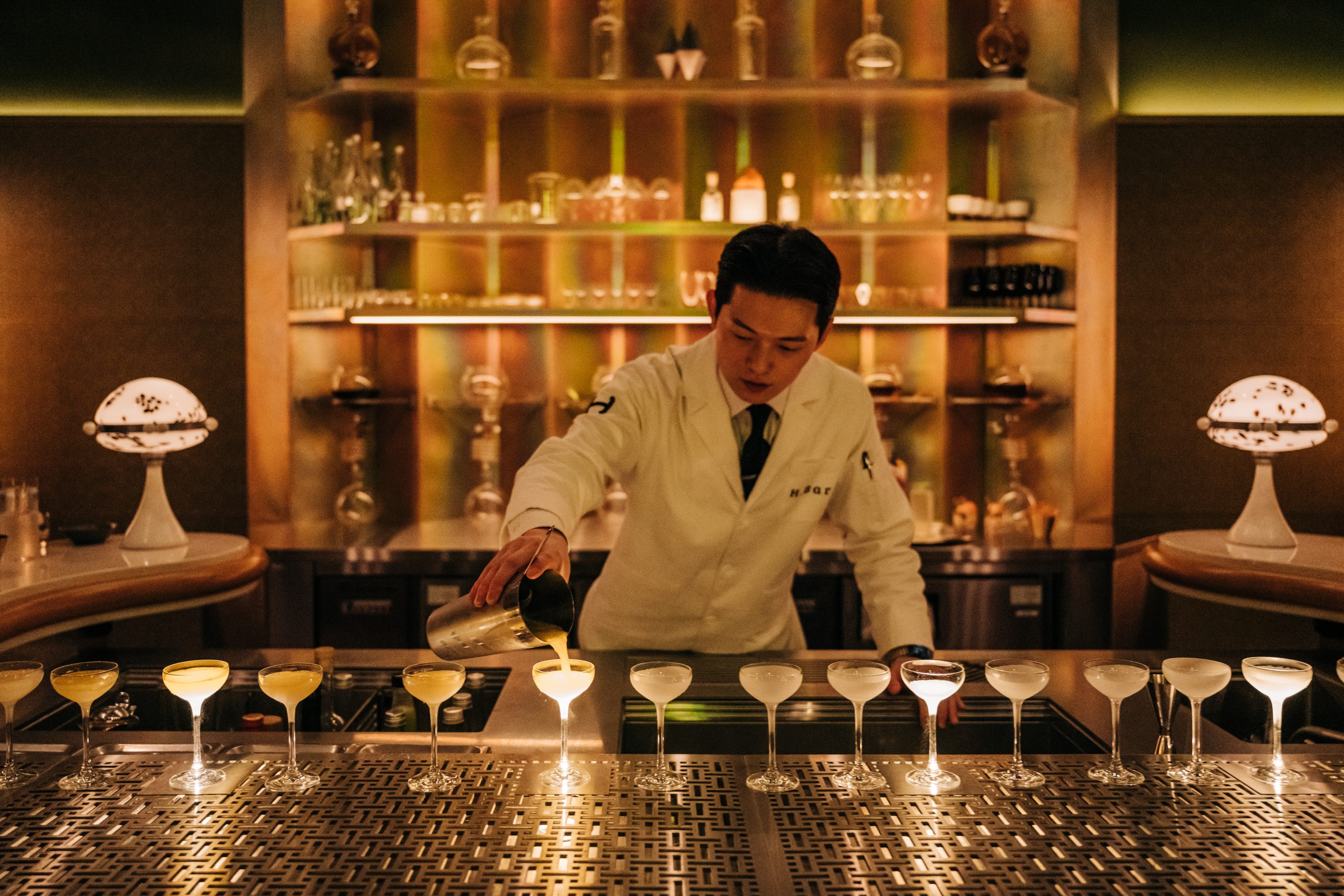
- H. Bar: Located within Charles H., the buzzy bar inside Four Seasons, this new speakeasy takes a laboratory approach to its scientific cocktails.
Who A Trip to Seoul Is For
Seoul is a city for travelers who want to understand where culture is going—not just where it’s been. It’s particularly well-suited for design-minded travelers, return visitors to Asia, and families with older children or teens who will appreciate the intersection of food, fashion, and pop culture.