Where Parisian Style Finds Its Permanent Address
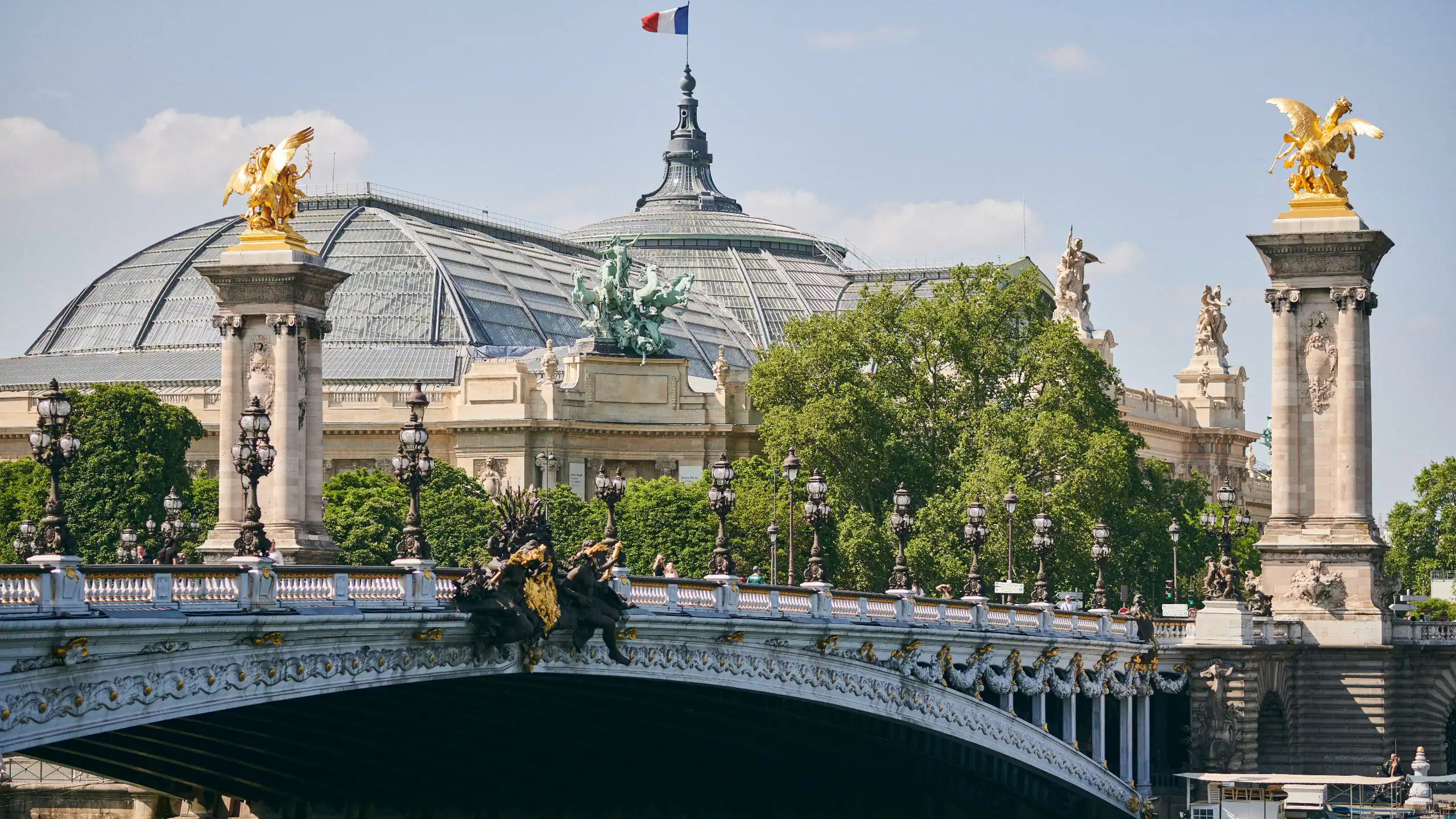
There are few places in the world where a single city block has shaped the history of fashion as profoundly as Place Vendôme in Paris.
Commissioned by King Louis XIV at the close of the seventeenth century, the perfectly proportioned octagonal square of Place Vendôme was crafted as a commanding public space that would rival the grandeur of Place des Vosges—the oldest planned public square in Paris. More than three centuries later, its unified limestone façades remain remarkably intact, providing an extraordinary sense of continuity from the architectural language established at the Palace of Versailles in a city marked by its reverence for the past.
At its center stands the Vendôme Column, commissioned by Napoleon Bonaparte in 1810 following his victory at Austerlitz. Since then, the square has evolved from a symbol of royal and imperial ambition into the global epicenter of haute joaillerie, where many of the world’s most celebrated jewelry houses continue to uphold centuries-old traditions of craftsmanship. Today, Chaumet, Van Cleef & Arpels, Boucheron, Piaget, Bulgari, Chanel, Rolex, and Dior occupy addresses surrounding Place Vendôme and neighboring Rue de la Paix, creating one of the most concentrated collections of exceptional artisanship anywhere in the world.
For generations, the street has been synonymous with haute couture, fine jewelry, and finest craftsmanship…
Just beyond Place Vendôme, Rue de la Paix extends this legacy. For generations, the street has been synonymous with haute couture, fine jewelry, and finest craftsmanship, drawing designers, jewelers, and tastemakers from across the globe. Now, Park Hyatt Place Vendôme provides intimate access to that lush history and influence while delivering a palatial stay to punctuate your time in Paname—a local term for the beloved city that you can add to your vocab before your arrival to sound like a real insider.
An Unparalleled Address
…you’re just steps from the flagship boutiques of the world’s leading jewelry and fashion maisons.
For Park Hyatt Paris-Vendôme, its location is far more than an enviable address; it defines the character of the property. “Rue de la Paix has long been associated with haute couture, fine jewelry, and craftsmanship,” says Isadora Piccoli from the Park Hyatt Paris-Vendôme team, when chatting with the SmartFlyer team. “Created under Louis XIV and later becoming the epicenter of French haute joaillerie and haute couture, Place Vendôme and Rue de la Paix have long been synonymous with timeless elegance. Today, you’re just steps from the flagship boutiques of the world’s leading jewelry and fashion maisons, making the hotel an ideal base for experiencing the heritage and artistry that define Parisian style.”
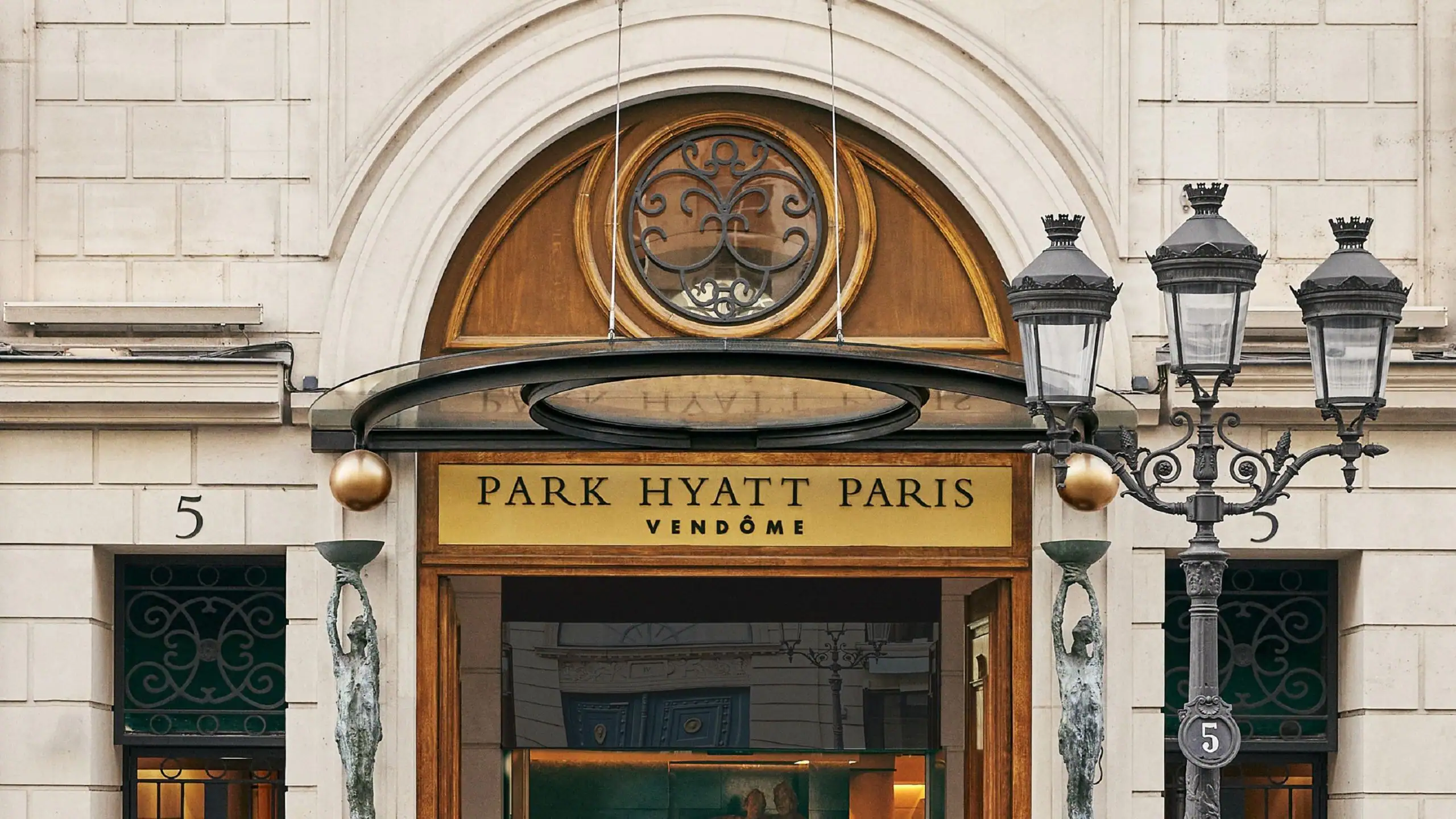
The significance of No. 5 Rue de la Paix extends well beyond its enviable address. Long before Park Hyatt enlisted legendary architect Ed Tuttle to transform the hotel, the building housed Maison Paquin, one of France’s defining couture houses. Jeanne Paquin welcomed royalty, artists, and cultural figures through the doors while helping shape modern Parisian fashion at the turn of the twentieth century, and the property’s Café Jeanne now pays tribute to her legacy. According to the hotel’s archives, another chapter of design history unfolded in the same courtyard, where Rose Repetto developed the ballet slipper that would become an enduring icon of French style in 1947—the very same look that’s now adorning the feet of the fashion set today in major cities all over the world.
Together, these stories explain why Park Hyatt Paris-Vendôme shares an intrinsic link with its surroundings. It occupies an address where architecture, fashion, craftsmanship, and cultural history have intersected for generations, allowing every stay to be rooted in a deeper understanding of one of Paris’ most influential neighborhoods.
-
-
A Parisian Residence Shaped by Design
Glancing at its façade, Park Hyatt Paris-Vendôme blends seamlessly into the historic rhythm of Rue de la Paix. But it’s only upon entering that you come to understand how the property remains one of the most remarkable architectural transformations in contemporary Paris hospitality. The hotel’s philosophy of wanting guests to feel like they’re at their own Parisian residence becomes apparent from the moment of arrival. Visitors enter through a traditional carriage entrance before being welcomed by the concierge while reception sits farther within the building, creating a measured arrival sequence that feels carefully composed rather than transactional.
…the property remains one of the most remarkable architectural transformations in contemporary Paris hospitality.
“The hotel was intentionally designed to feel more like a Parisian residence than a hotel,” says Piccoli. That philosophy extends beyond architecture into every interaction. Service is polished and deeply attentive without unnecessary ceremony, allowing the atmosphere to feel welcoming while maintaining the refinement expected from one of Paris’ most celebrated addresses. When acclaimed architect and interior designer Ed Tuttle was commissioned to create the hotel, he inherited five separate Haussmann-era buildings, each constructed independently during the nineteenth century.
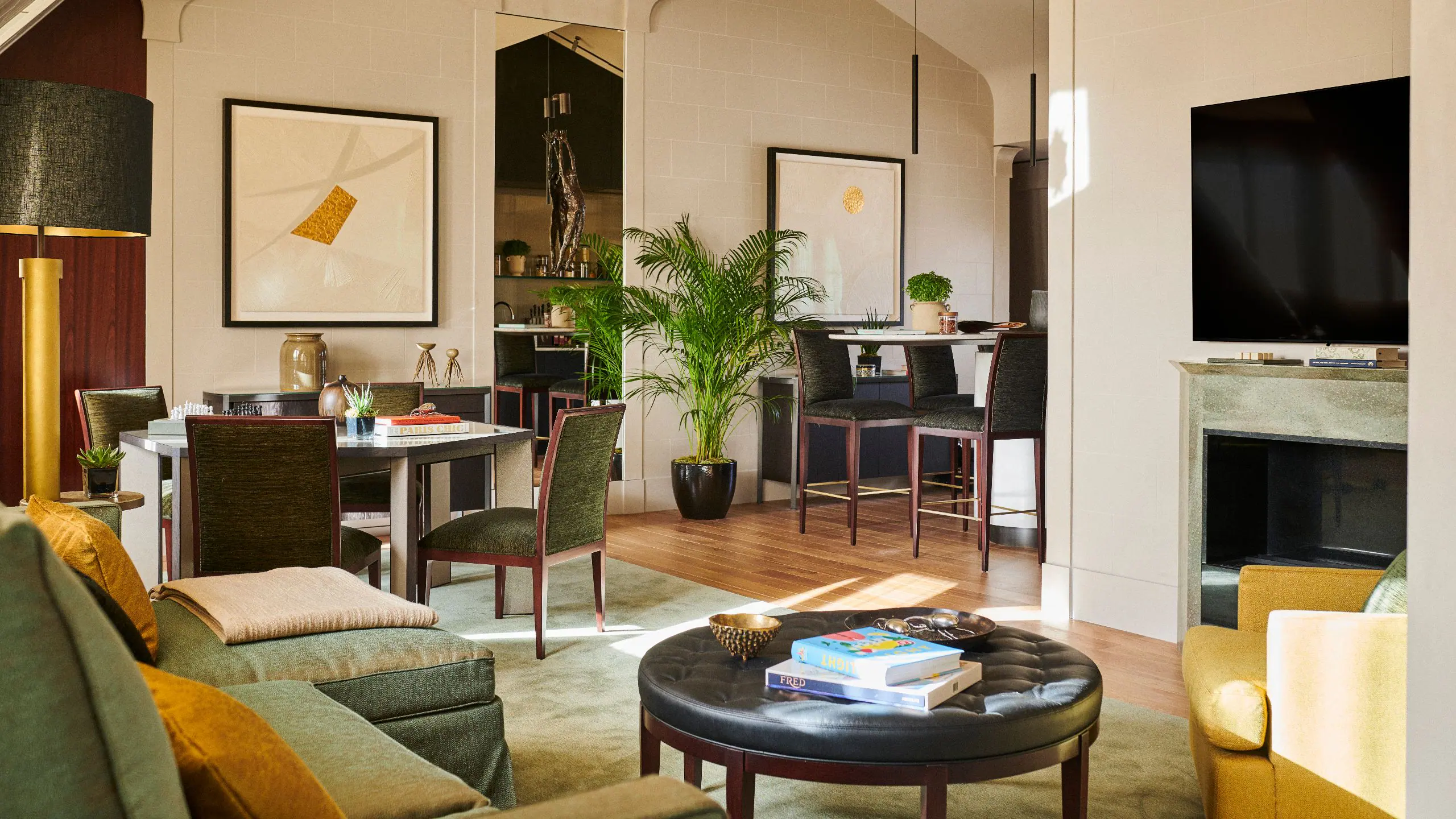
Although these façades appeared unified from the street, their floor heights, structural layouts, and proportions differed significantly. Transforming them into a single, cohesive property required an extraordinary feat of engineering. “It was one of the most impressive aspects of the project,” Piccoli said. “Ed Tuttle didn’t design a new building. To make everything align, one of the buildings actually had to be raised by more than a meter so the floors and façades would connect properly.”
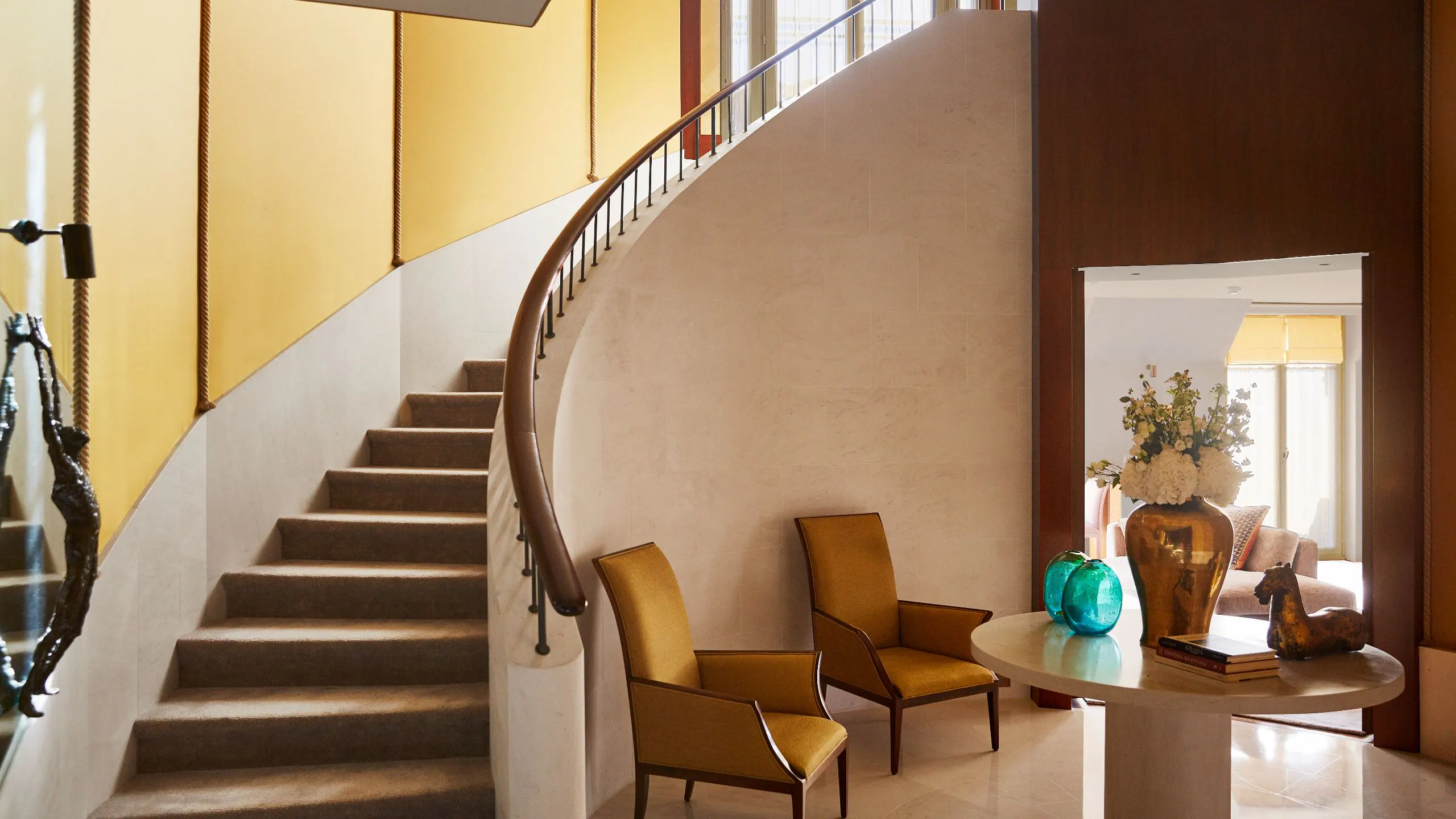
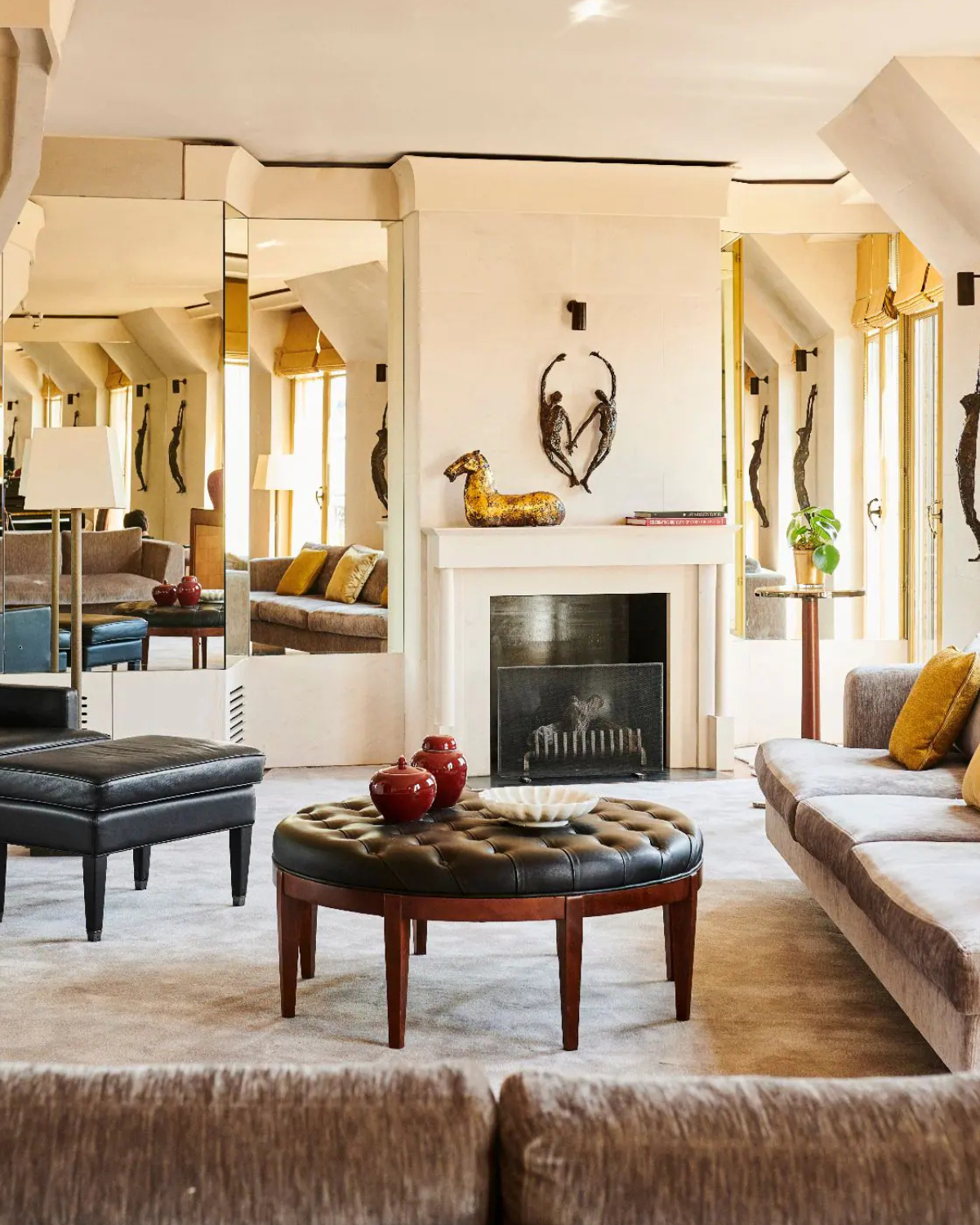
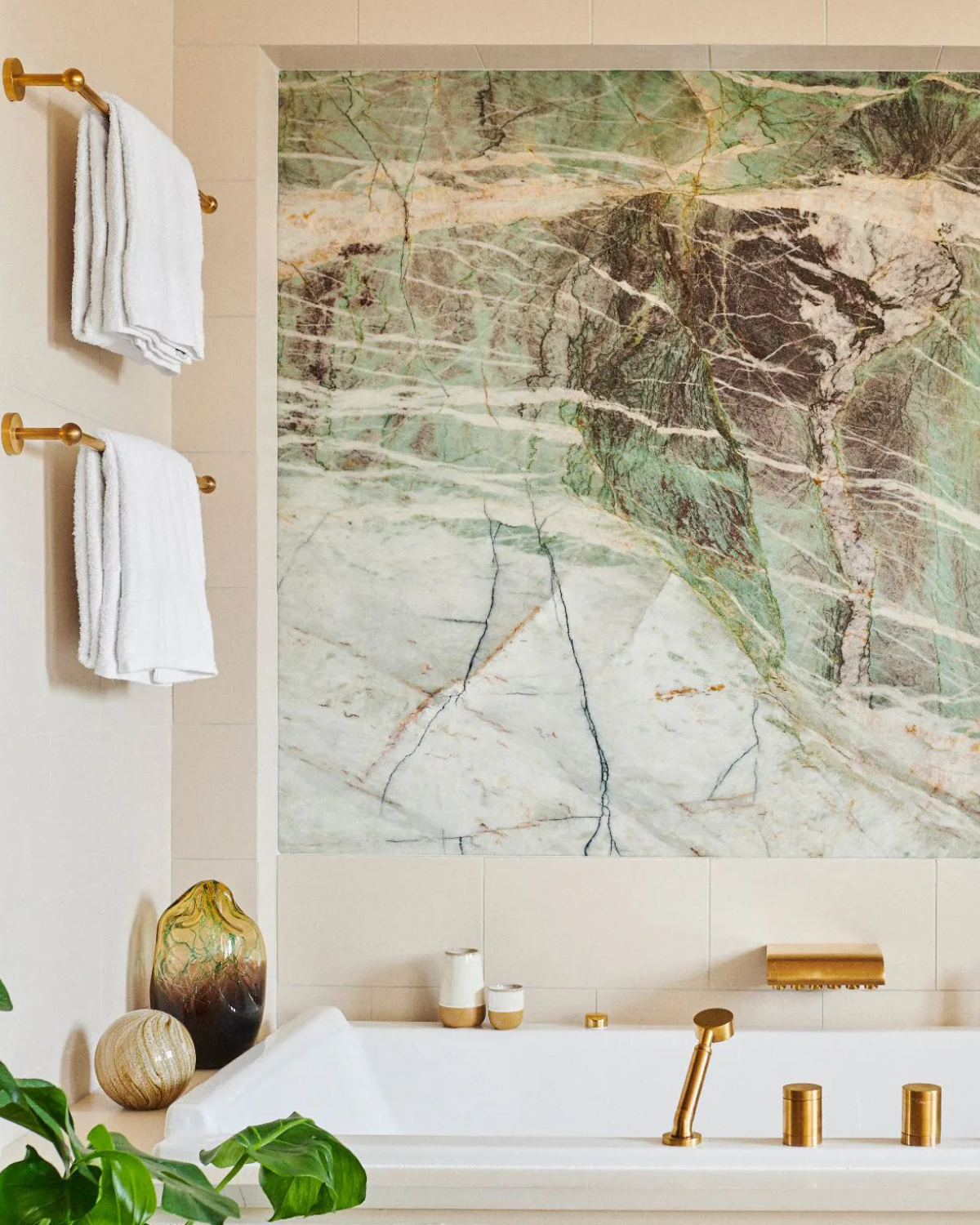
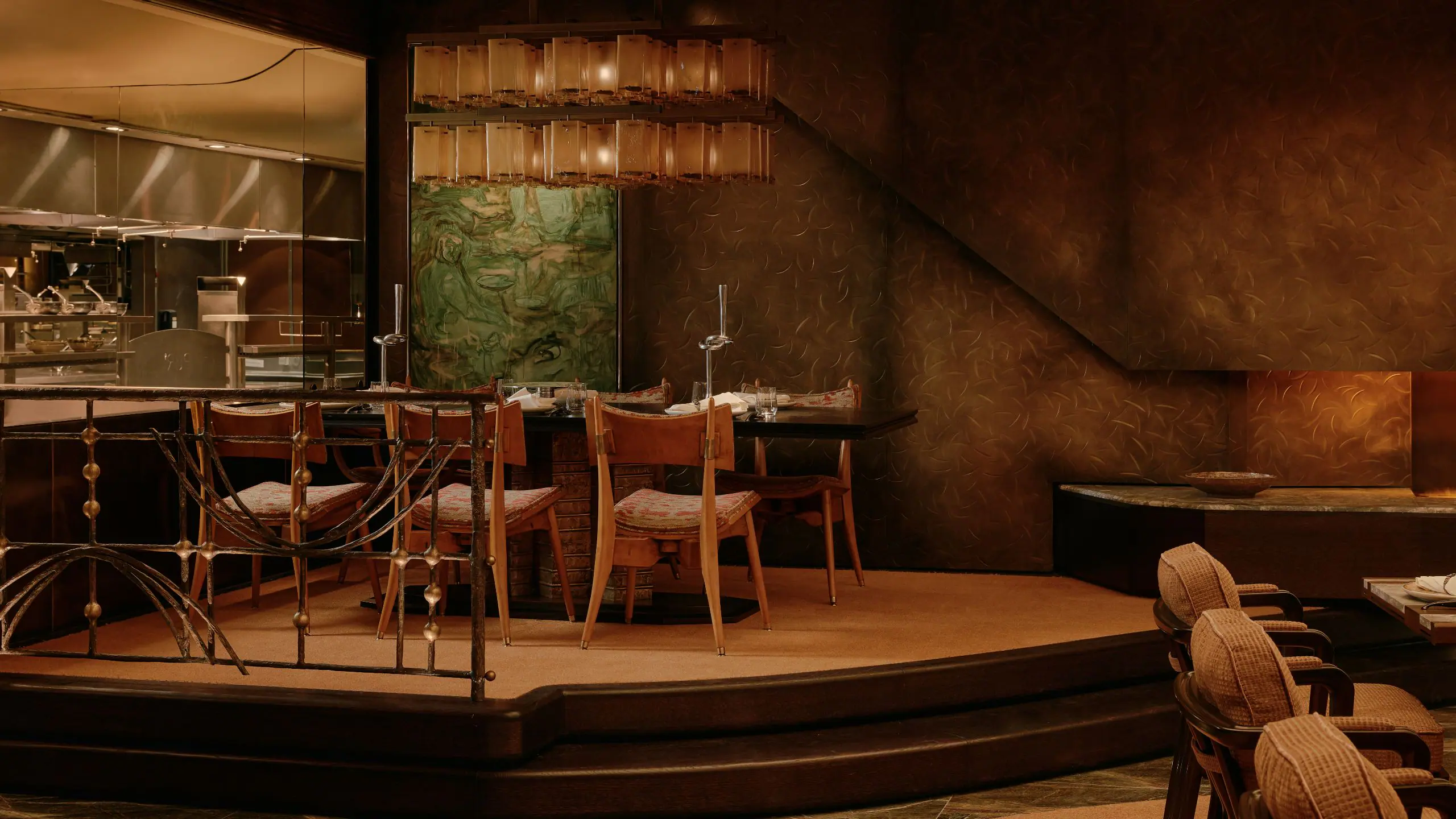
The technical complexity of the renovation remains entirely invisible today, allowing the property and its 155 rooms and suites to feel as though it has always existed as a single Parisian residence. That restraint guided every subsequent design decision. Rather than relying on decorative opulence, Tuttle created interiors defined by proportion, natural light, and enduring materials. Paris stone, dark mahogany, hand-finished bronze, and green onyx establish a warm, understated palette that feels deeply woven into the texture of the city beyond its walls.
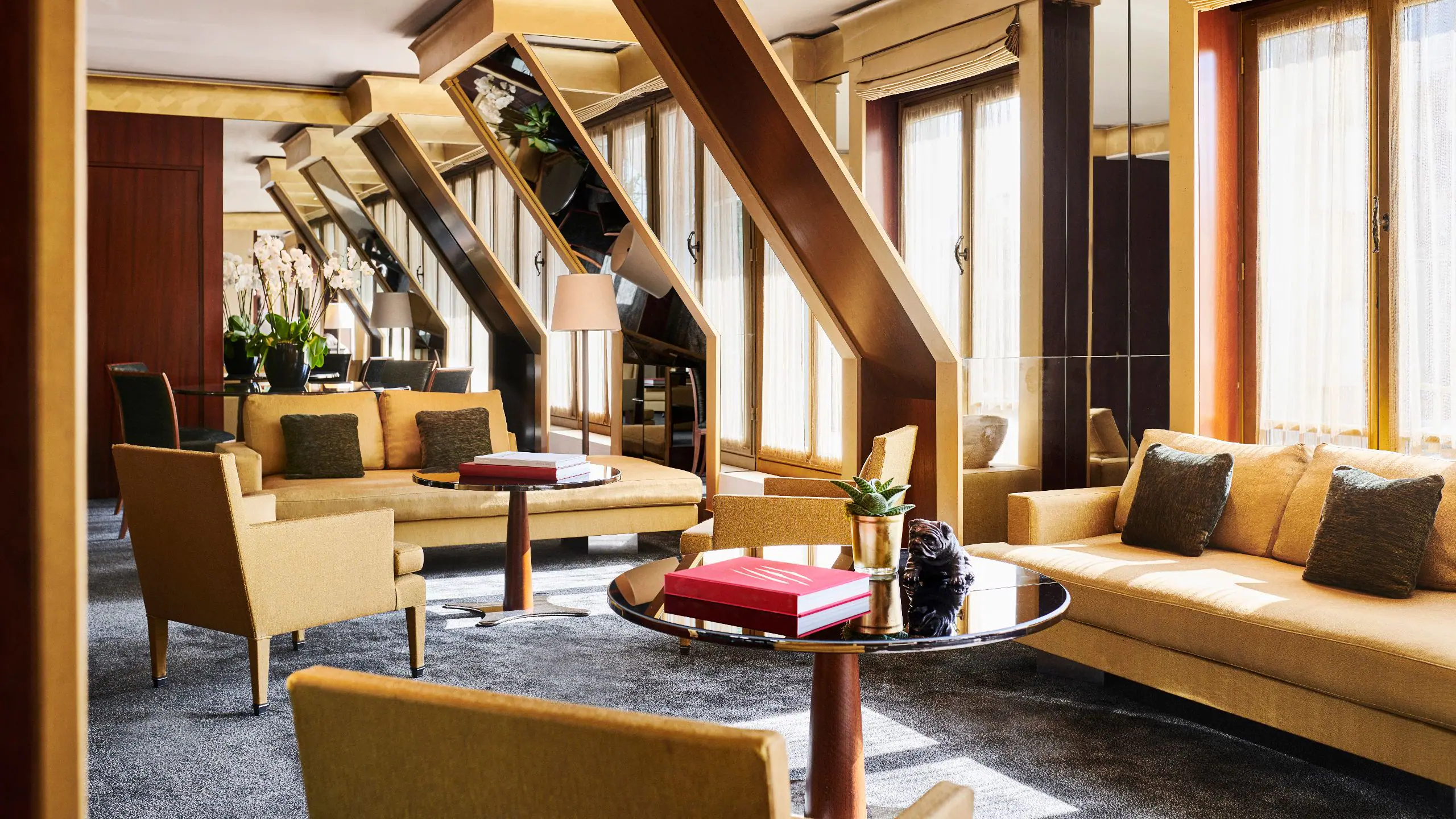
Nearly every piece of furniture was designed specifically for the hotel, giving each room a cohesive identity while reinforcing the notion that you couldn’t be anywhere else but here. “Tuttle focused on proportion, natural light, and materials,” Piccoli explained to SmartFlyer. “Clean lines replaced decorative excess. The architectural details throughout the property make subtle references to Place Vendôme and the city of Paris.” Those references reward close attention.
…extensive use of Paris stone replicates the creamy limestone that defines the city’s Haussmannian architecture.
Café Jeanne’s striking glass roof recalls the facets of a cut diamond, an homage to the generations of master jewelers surrounding Place Vendôme. Structural columns echo the iconic Vendôme Column only steps away, while carpets draw inspiration from the saturated colors of precious gemstones. Throughout the property, the extensive use of Paris stone replicates the creamy limestone that defines the city’s Haussmannian architecture, dissolving the boundary between the neighborhood outside and the spaces within.
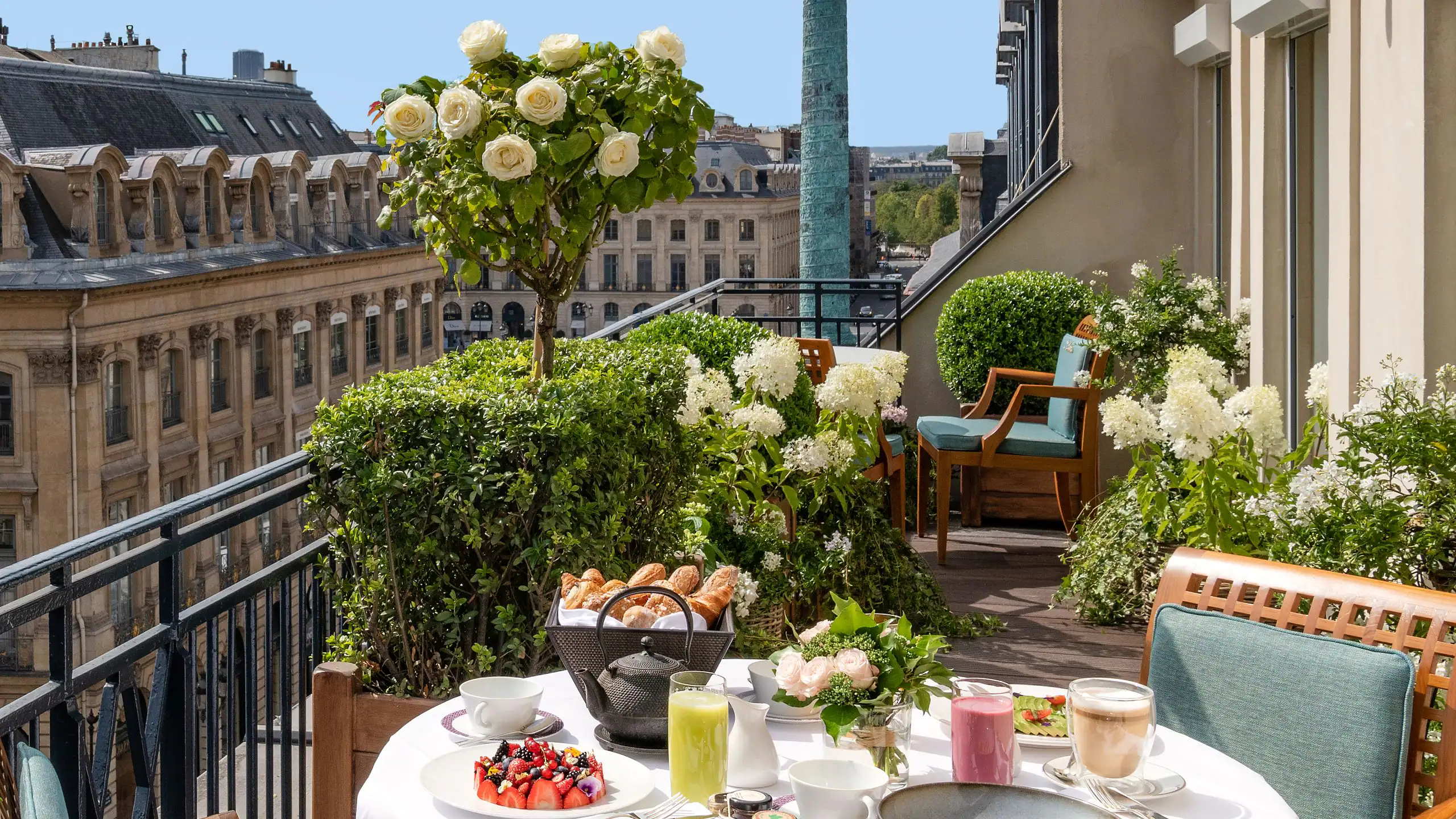
Art further reinforces the hotel’s identity. More than 5,000 custom bronze works by renowned sculptor Roseline Granet are integrated throughout the building, transforming door handles, sconces, furnishings, and monumental sculptures into part of the property’s permanent collection. Paintings and installations by internationally recognized artists including Sam Gilliam, Ed Paschke, Llyn Foulkes, Christiane Durand, and Irmgard Sigg appear throughout the public spaces, allowing every corridor to function as an extension of a contemporary gallery. Ultimately, every decision, carefully selected material, and artistic commission reflects the same guiding principle: Park Hyatt Paris-Vendôme was conceived not as a standalone destination, but as a natural extension of one of Paris’ most storied neighborhoods.
The same thoughtful design language continues at the subterranean Le Spa by La Mer, where more Paris stone, mahogany, onyx, Zimbabwe granite, and shimmering gold mosaics create an atmosphere of understated sophistication. Signature treatments incorporate exclusive verbena and lemongrass oils developed for the hotel by French perfumer Blaise Mautin, extending the property’s commitment to craftsmanship throughout its wellness experiences.
-
-
Experiencing Place Vendôme with Incomparable Access
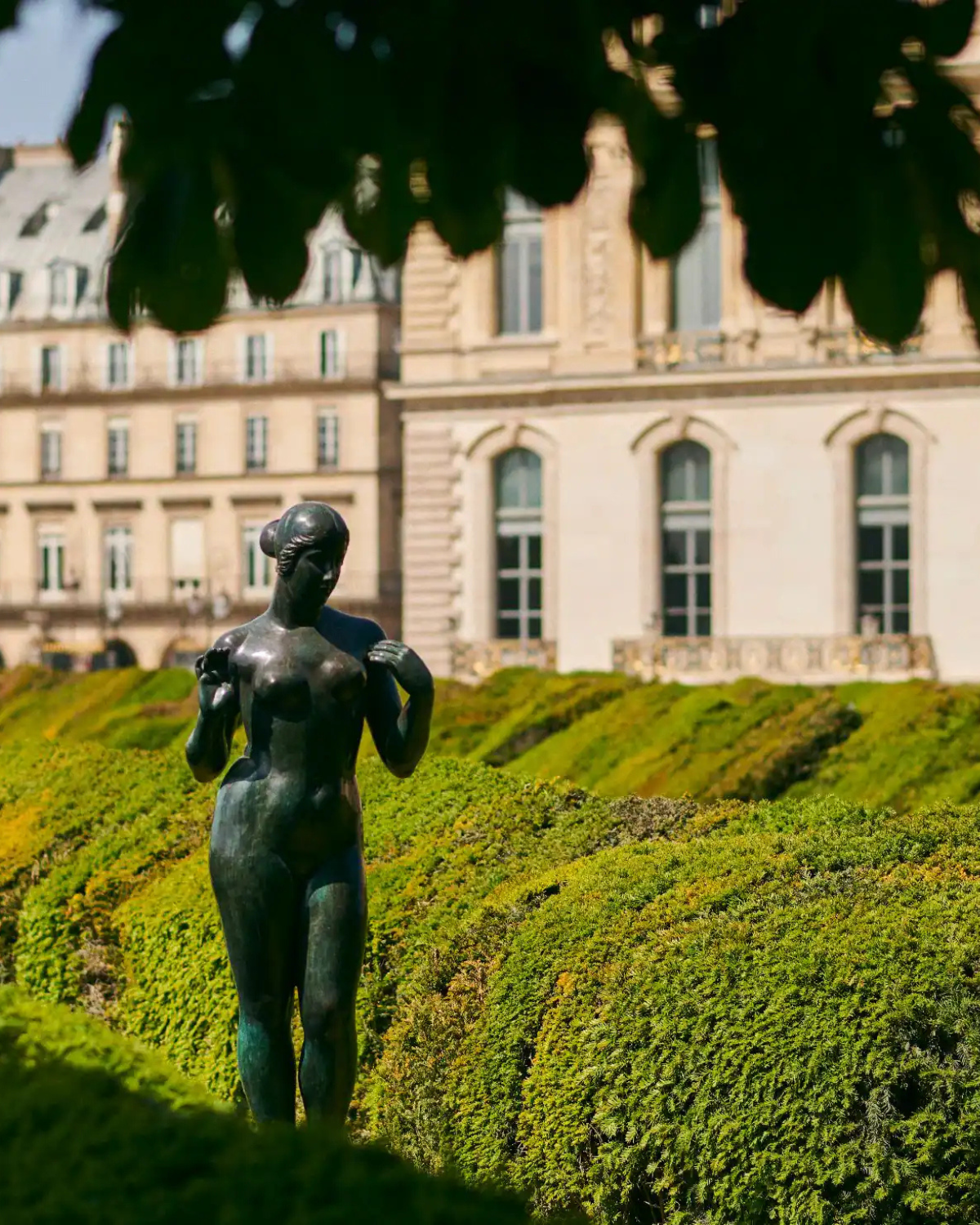
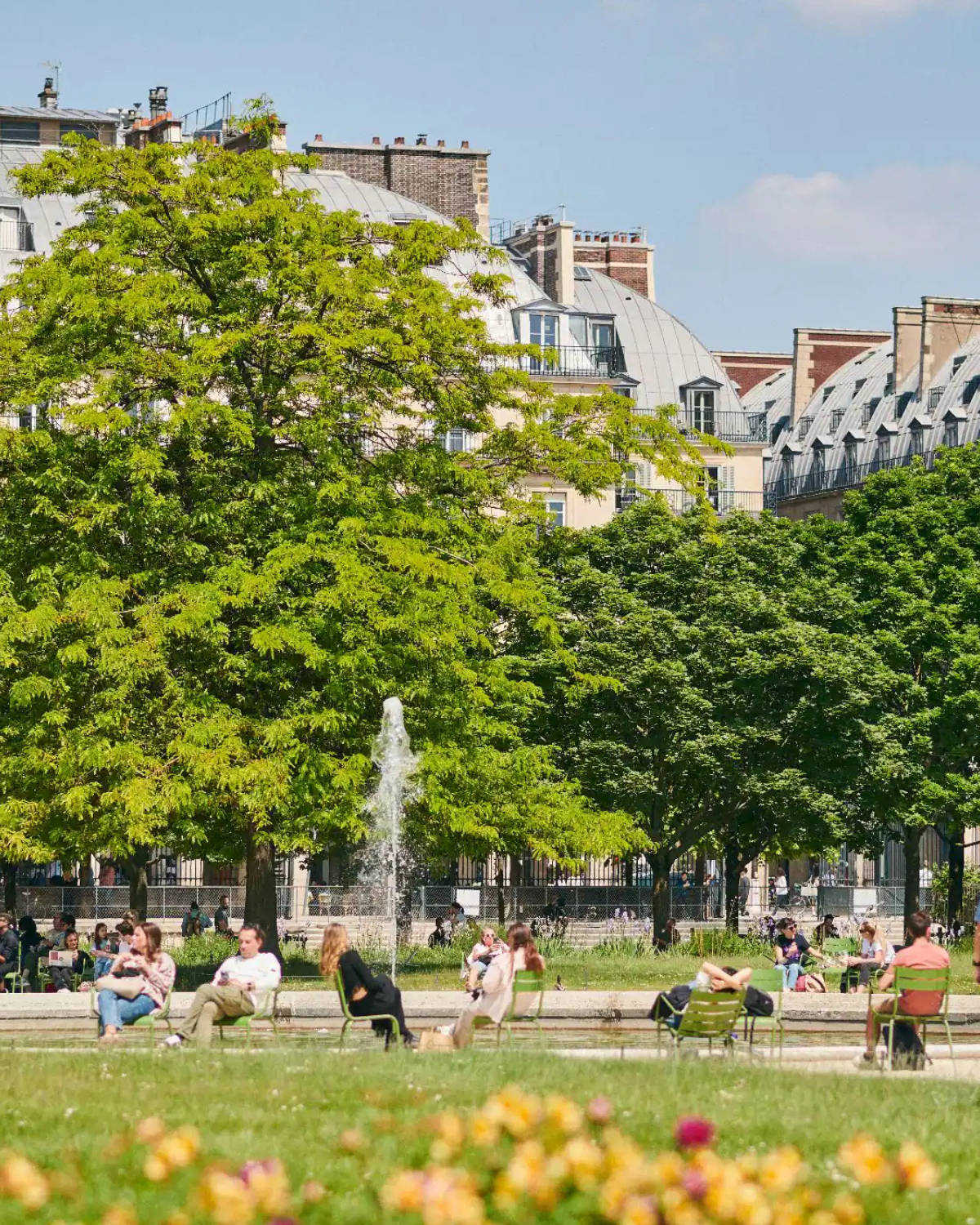
The true appeal of Place Vendôme is not only found in its celebrated names, but in the craftsmanship and creativity that continue behind its historic façades. For centuries, this neighborhood has attracted artisans, designers, jewelers, and cultural figures who have shaped Parisian style. Today, that legacy remains visible in the ateliers, maisons, galleries, and private residences that surround the square. Park Hyatt Paris-Vendôme provides a natural base for digging into this heritage. The hotel places visitors within walking distance of some of Paris’ most iconic cultural landmarks, including the Tuileries Garden, the Louvre, the Opéra Garnier, and Rue du Faubourg Saint-Honoré.
…you’ll have access to the concierge team who can make private appointments with historic maisons…and personalized, intimate tours of cultural institutions.
Notably, Park Hyatt Place-Vendôme’s Les Clefs d’Or concierge team is led by Dominique Guidetti, President of Les Clefs d’Or France, a professional organization for the world’s most sought-after hotel concierges. This differentiation point helps bring the neighborhood to life through the team’s personal connections and local expertise in collaboration with your SmartFlyer travel advisor. Rather than offering a standard list of recommendations, you’ll have access to the concierge team who can make private appointments with historic maisons, introductions to emerging designers, behind-the-scenes access to artisan workshops, and personalized, intimate tours of cultural institutions.
Discover, for instance, the Hôtel de la Païva, a magnificent 19th-century hôtel particulier on the Champs-Élysées. Originally built for the famous courtesan Esther Lachmann, known as La Païva, and where Parisian high society once gathered for lavish soirées. Or explore the backstage areas of the Palais Garnier, including the legendary underground water reservoir beneath the stage. The mysterious atmosphere inspired countless myths and legends surrounding the opera house—most famously, the 1910 novel The Phantom of the Opera.
For art lovers, you’ll have exclusive early-morning or after-hours access, accompanied by a private art curator, before your chosen museum opens or long after its doors have closed to the public. Gaze on the Venus de Milo at the Louvre without the tangle of crowds; Linger at Manet’s Olympia at the Musée d’Orsay without feeling rushed.
Staying at Fashion’s Front Door
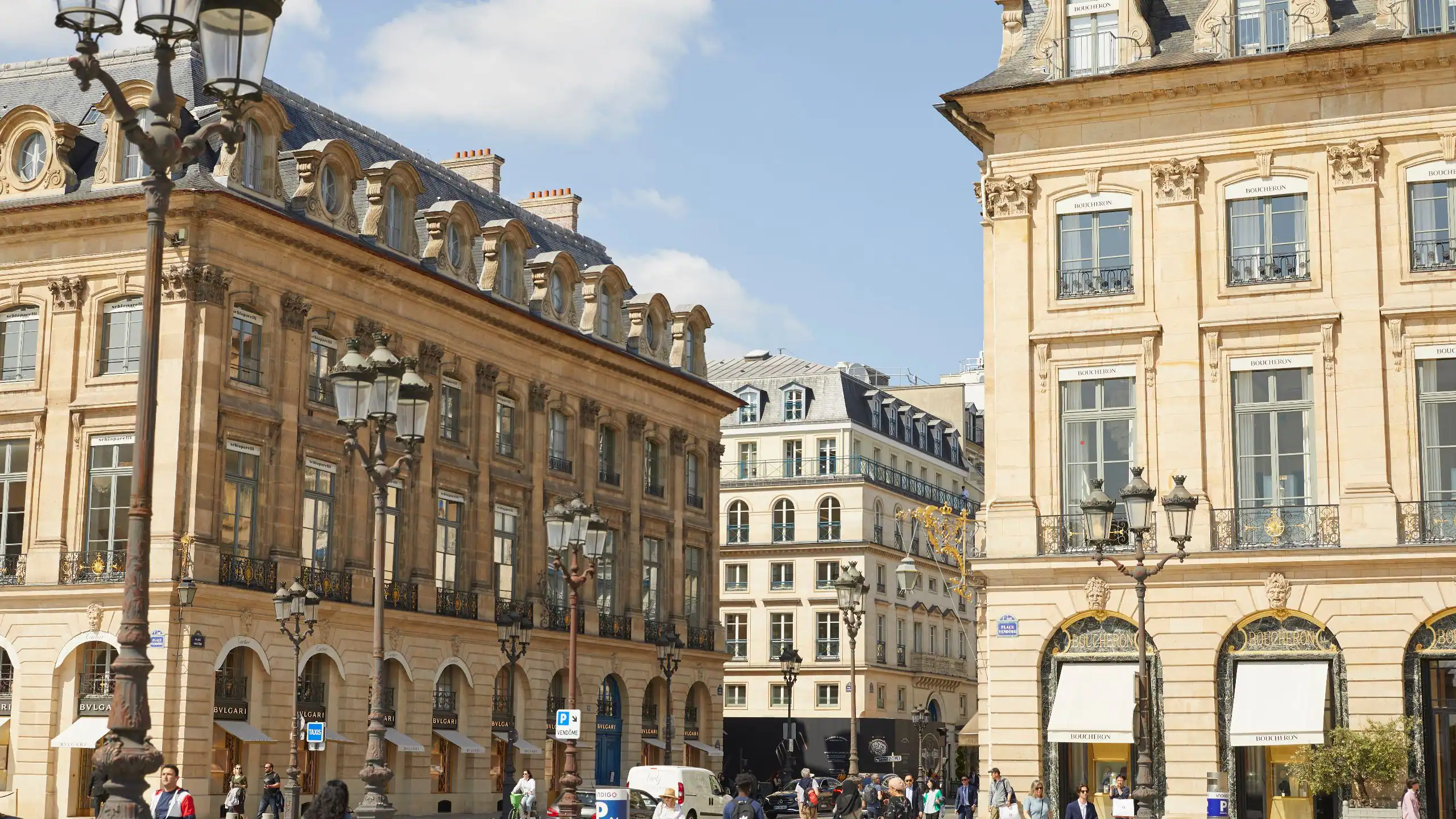
Place Vendôme’s surrounding streets provide an opportunity to experience Parisian craftsmanship right from the source. Long-established houses continue traditions passed through generations to a French fashion legacy that you’d be hard-pressed to find anywhere else in the world. Boucheron first opened its doors in 1893; Cartier in 1898; Van Cleef & Arpels in 1906; and Chaumet in 1907. Beyond jewelry, you can find Schiaparelli, the storefront where Elsa Schiaparelli first launched her designs; plus, historic storefronts for Chanel, Dior, and Louis Vuitton.
Your SmartFlyer travel advisor will work with the concierge team to secure privileged access and private appointments to the city’s most prestigious luxury maisons, including Chanel at 18 Place Vendôme, Louis Vuitton Maison Vendôme, Goyard, and L’Étrange. These bespoke experiences extend to those jewelry houses, like Cartier, Mellerio, Korloff, Van Cleef & Arpels, Tiffany & Co on Place Vendôme, too. Through your stay with Park Hyatt, you will have exclusive access to their iconic archives and private salons.
Depending on how you wish to weave through the fashion world’s gravitational center, your stay at Park Hyatt Place Vendôme should follow the sartorial calendar. During Paris Fashion Week—which takes place at the end of September into the first week of October—editors, stylists, designers, and collectors fill Place Vendôme as they move between runway shows, showroom appointments, and the neighborhood’s historic maisons. The buzzy energy supports the district’s position at the center of the fashion industry—and gives anyone who stays a front row seat to one of the most exciting weeks in the sartorial world. This happens again for Haute Couture and Menswear in the last week of January, and again in the first week of March, for the Fall/Winter collection.
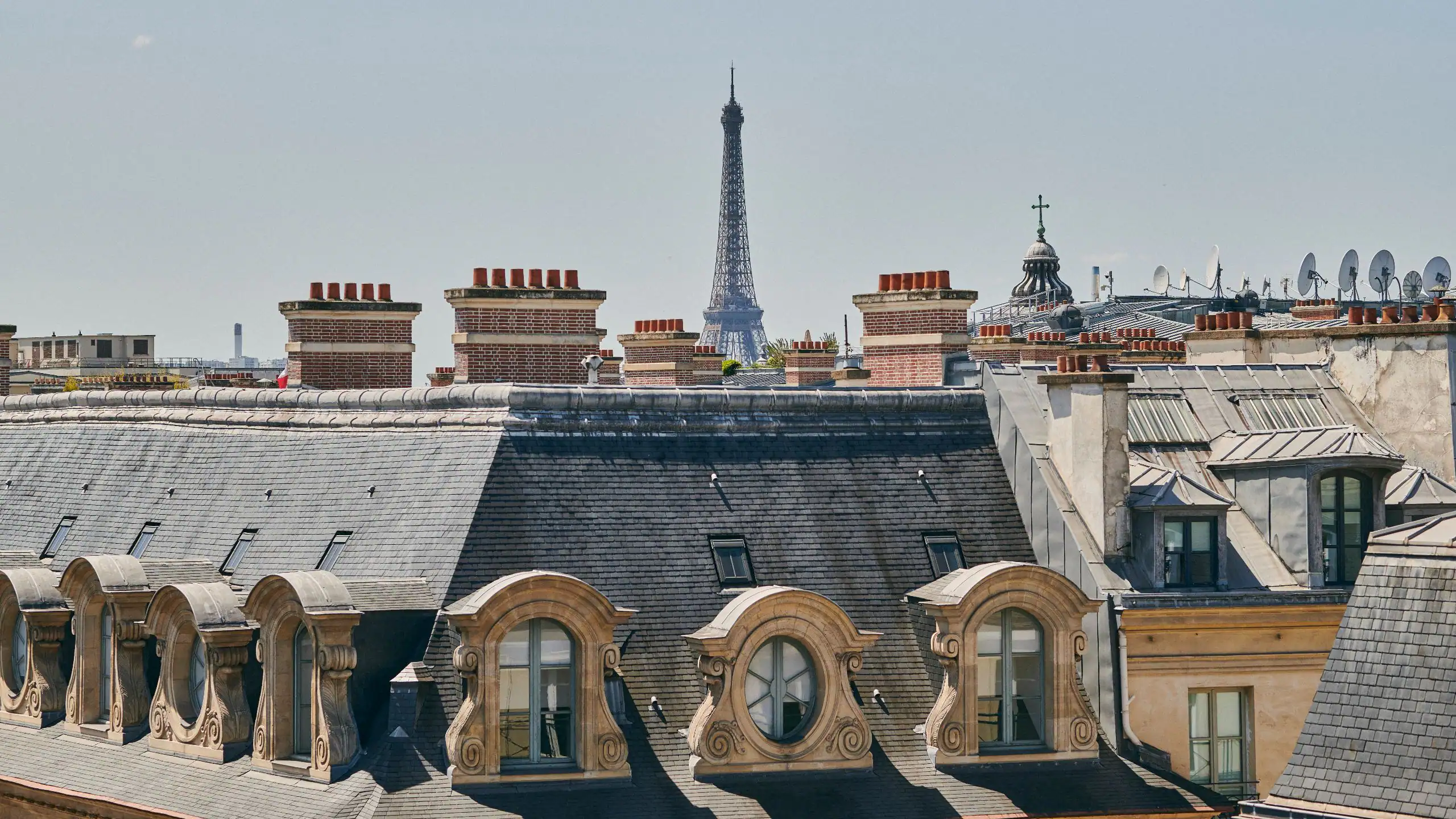
Place Vendôme’s significance does not come only from its history, but from the artists, designers, and artisans who continue to shape its future.
Throughout the rest of the year, the pace softens, allowing the architecture, ateliers, and perpetual spirit of French savoir-faire to take center stage. If you want your Devil Wears Prada moment, plan to visit during PFW. If you’re looking for the romance of Funny Face, much of the rest of the year will better suit your needs, with spring and fall being favorites for the City of Light.
Regardless of when you visit, across every aspect of the experience, Park Hyatt Paris-Vendôme reflects the character of its address. The hotel’s architecture, art collection, cuisine, and service are all connected by the same philosophy: honoring Parisian craftsmanship while creating an expression of the city that’s meant to be fully explored. Place Vendôme’s significance does not come only from its history, but from the artists, designers, and artisans who continue to shape its future. You aren’t simply near one of Paris’ most iconic neighborhoods—you become part of the ongoing story that has defined it for more than three centuries.