A New Blueprint for Place-Led Luxury with Ritz-Carlton Reserve
The world’s most celebrated hotels have long been built around a simple promise: consistency.
Whether arriving at a grand European palace, a Caribbean retreat, or a reliable city hotel, travelers crave the reassurance that comes from a trusted name over the marquee. Today, the expectations of the most discerning travelers have changed, and the wisest brands are listening.
Ritz-Carlton Reserve is one such brand that’s paying attention to the evolving needs of today’s savvy traveler.
The most memorable journeys are increasingly defined by what cannot be replicated: conversations with local artisans, meals crafted from regional ingredients, landscapes that influence the rhythm of the day, and traditions that remain long after departure. This isn’t just conjecture. In one survey published in May 2026, sixty-three percent of affluent travelers reported seeking unique experiences as a primary travel objective. Only one percent of respondents reported status or recognition as a key motivator. As global access expands, the rarest element of travel has become meaningful connection. Ritz-Carlton Reserve is one such brand that’s paying attention to the evolving needs of today’s savvy traveler.
The Added Depth of Ritz-Carlton Reserve
This shift has redefined what constitutes a remarkable hotel. Square footage, thread counts, and recognizable design signatures still matter, but they are no longer the complete measure of distinction. Increasingly, the properties that stand apart are those that could exist nowhere else. Within this transforming landscape, Ritz-Carlton Reserve takes a particularly distinctive approach: it begins without a template. The very first Reserve property launched in 2009 at Phulay Bay, Krabi, Thailand, and was designed to be a private sanctuary experience that offered something more intimate. In the nearly two decades since that first property opened, an additional eight Reserves have opened around the world. While each delivers on the exceptional quality and standard of service that defines Ritz-Carlton, the approach is different.
Each Reserve property—and the individualized service it offers—is defined by what authentically exists around it.
Each Reserve property—and the individualized service it offers—is defined by what authentically exists around it: its history, ecology, craftsmanship, cuisine, and culture. One of the most distinctive characteristics of Reserve is what it avoids. There is no single architectural signature repeated across every address. No identical arrival sequence. No formula that favors brand recognition over local identity. There are no fixed color palettes and no standardized guest journey. That approach embodies a larger change in how travelers define memorable journeys. When access to the world becomes easier, the places that stand apart are those that offer something more difficult to find.
-
-
…the most compelling properties are no longer those that are standardized regardless of their location, but those that tell travelers something meaningful about where they are.
Across the Caribbean and Latin America, that philosophy takes four distinctly different forms. At Dorado Beach, a Ritz-Carlton Reserve in Puerto Rico, Rockefeller-era conservation shapes a retreat built around heritage and environmental preservation. At Nekajui, a Ritz-Carlton Reserve in Costa Rica, rainforest biodiversity influences everything from architecture to wellness. At Zadún, a Ritz-Carlton Reserve in Los Cabos, Mexican craftsmanship and evidence-based wellbeing meet against the backdrop of the Sea of Cortés. And at the latest opening in the collection, Siari, a Ritz-Carlton Reserve, sits on Mexico’s Pacific Coast as an ode to conservation and indigenous traditions that define a new approach to coastal hospitality. Together, these four Ritz-Carlton Reserve properties reveal a broader shift: the most compelling properties are no longer those that are standardized regardless of their location, but those that tell travelers something meaningful about where they are.
Where Legacy Shapes Place: Dorado Beach, a Ritz-Carlton Reserve
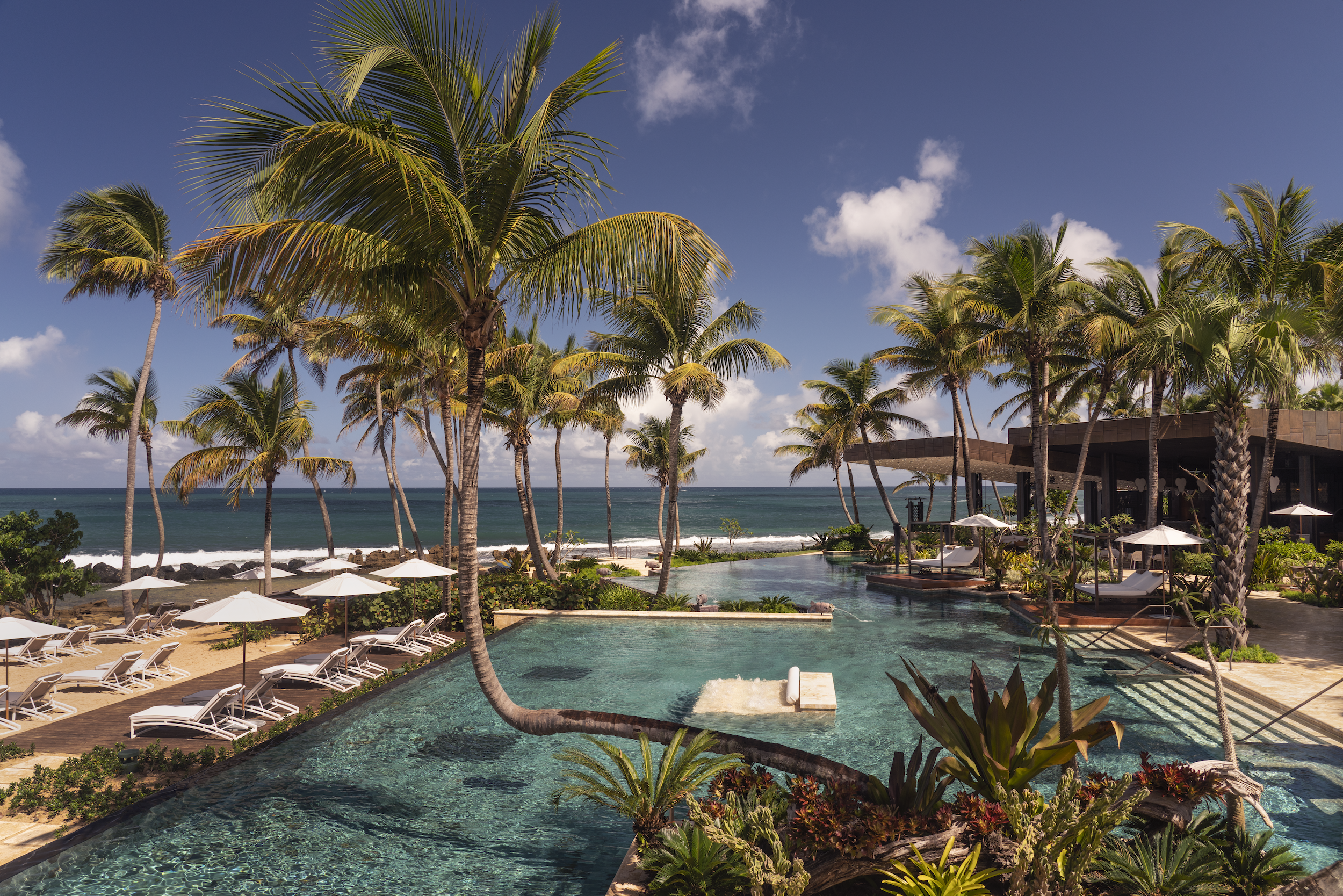
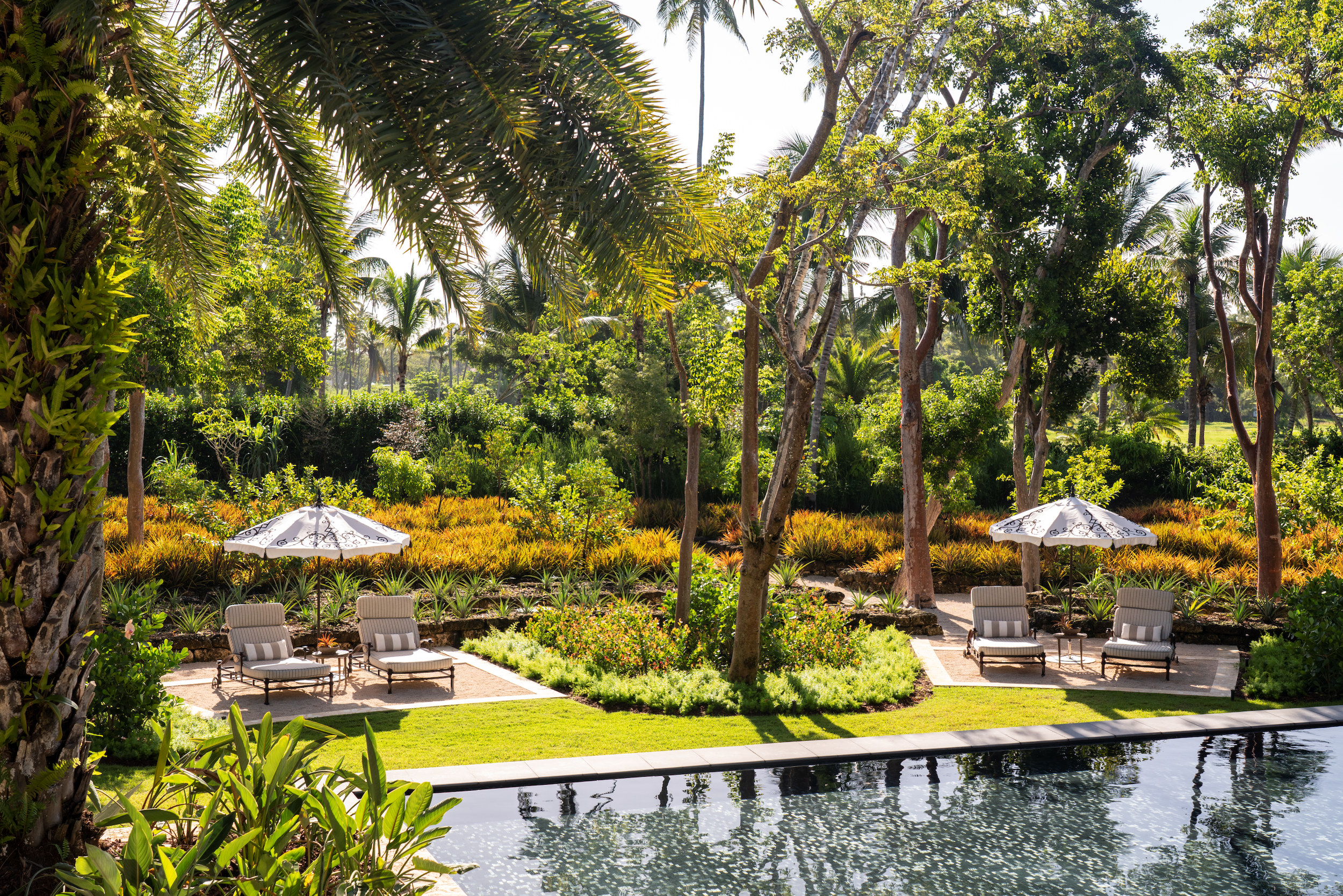
Long before environmental stewardship became a defining conversation in hospitality, Laurance S. Rockefeller was shaping a different model for resort development. When he opened Dorado Beach in the 1950s on the former Rockefeller estate, his approach centered on preservation. Buildings would not rise above the island’s palms. The coastline would remain accessible. The natural landscape would guide the design rather than be altered to accommodate it.
More than seventy years later, those decisions remain defining features of the beloved Dorado Beach, a Ritz-Carlton Reserve. Set on fifty acres along Puerto Rico’s northern coastline, the resort residences are of note for those seeking more space. Available for stays of four nights or longer, these multi-bedroom villas offer private pools, gourmet kitchens, and a dedicated golf cart for getting around the resort. The Rockefeller Nature Trail, named in honor of the property’s founder, winds through nearly eleven miles of coastal terrain and can be explored by bicycle, golf cart, or on foot. Along the way, you’ll pass shaded forests, sandy beaches, and native ecosystems that have been carefully preserved for generations. The naturalist program extends that link. Observe the island’s native and beloved coquí frog in the Pterocarpus Forest, explore coral reefs offshore, or join evening stargazing sessions that introduce the night sky above Puerto Rico.
-
-
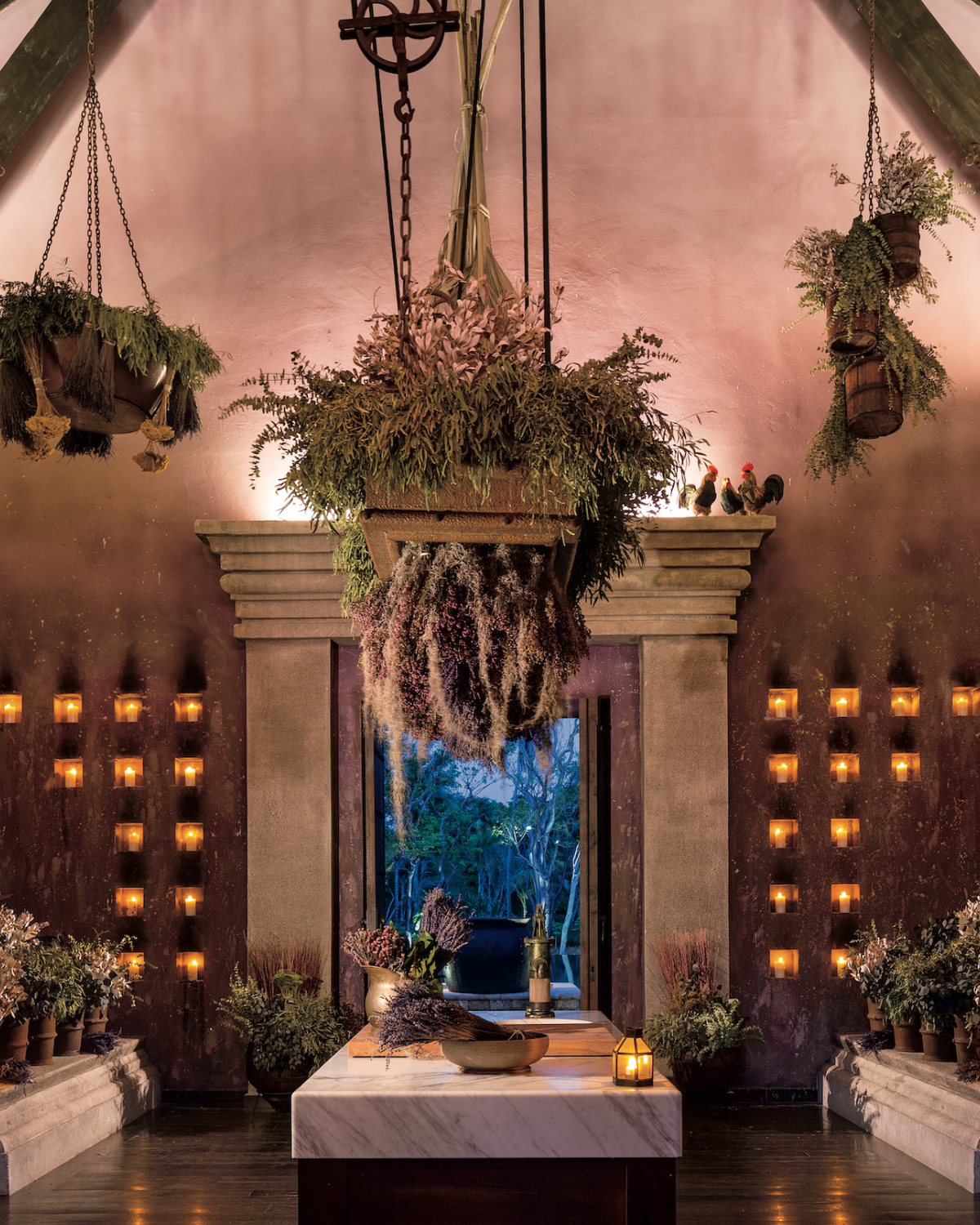
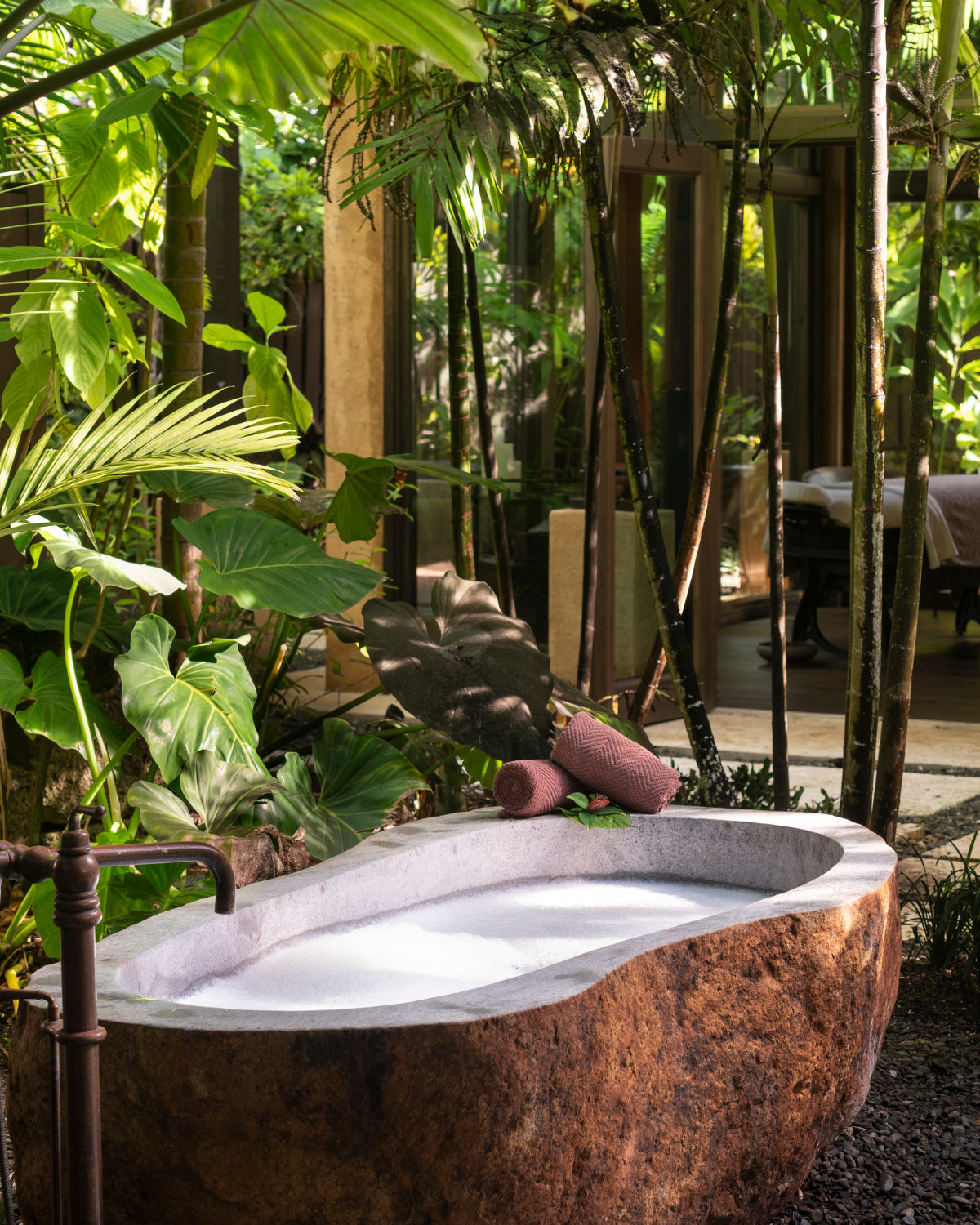
The same approach defines Spa Botánico, a feature of the property that is a driving factor of the resort’s high repeat guest rate. Here, treatments unfold within a garden sanctuary tucked amongst tropical plants, herbs, and flowering trees. The spa’s apothecary-inspired setting reflects Puerto Rico’s botanical traditions, while the open-air treatment spaces allow the landscape to remain part of the experience. The lemongrass-ginger massage oil is crafted from the property’s herb gardens. But the real standout is the ManoSantas Apothecary Ritual, a three-hour massage experience with a manosantas, a traditional Puerto Rican healer who creates a custom blend of botanicals for each guest.
This highly personalized experience extends to the service during each stay. Upon checking into your accommodation, you’ll be paired with an Embajador or ambassador; their role goes beyond traditional concierge service to build a more personalized connection between you, your surroundings, and the destination at large—whether arranging a private ocean excursion, recommending local culinary experiences, or introducing guests to lesser-known parts of the island. At Dorado Beach, history is not preserved as a reference point; it remains part of daily life. The result is a property where the most meaningful distinction comes from what has been protected over time: the shoreline, the forests, and the sense of place that Rockefeller preserved more than half a century ago.
Learning the Rhythm of the Rainforest: Nekajui, a Ritz-Carlton Reserve
Costa Rica’s defining feature has never been a single landmark. A trip to sink into “Pura Vida” evokes images of its forests, coastlines, and volcanoes. On the Peninsula Papagayo, biodiversity shapes every element of Nekajui, a Ritz-Carlton Reserve, a property opened by the brand in 2025. Named after the Chorotega word for “lush garden,” Nekajui sits within a 1,400-acre private peninsula where tropical dry forest meets the Pacific Ocean. Like at Dorado Beach, the preservation and conservation of this land is paramount to a stay at Nekajui. Your arrival here will gradually introduce the geography: a drive through Guanacaste’s landscape leads to sweeping views of Playa Pochote, followed by a descent aboard Costa Rica’s only resort funicular toward the shoreline below.
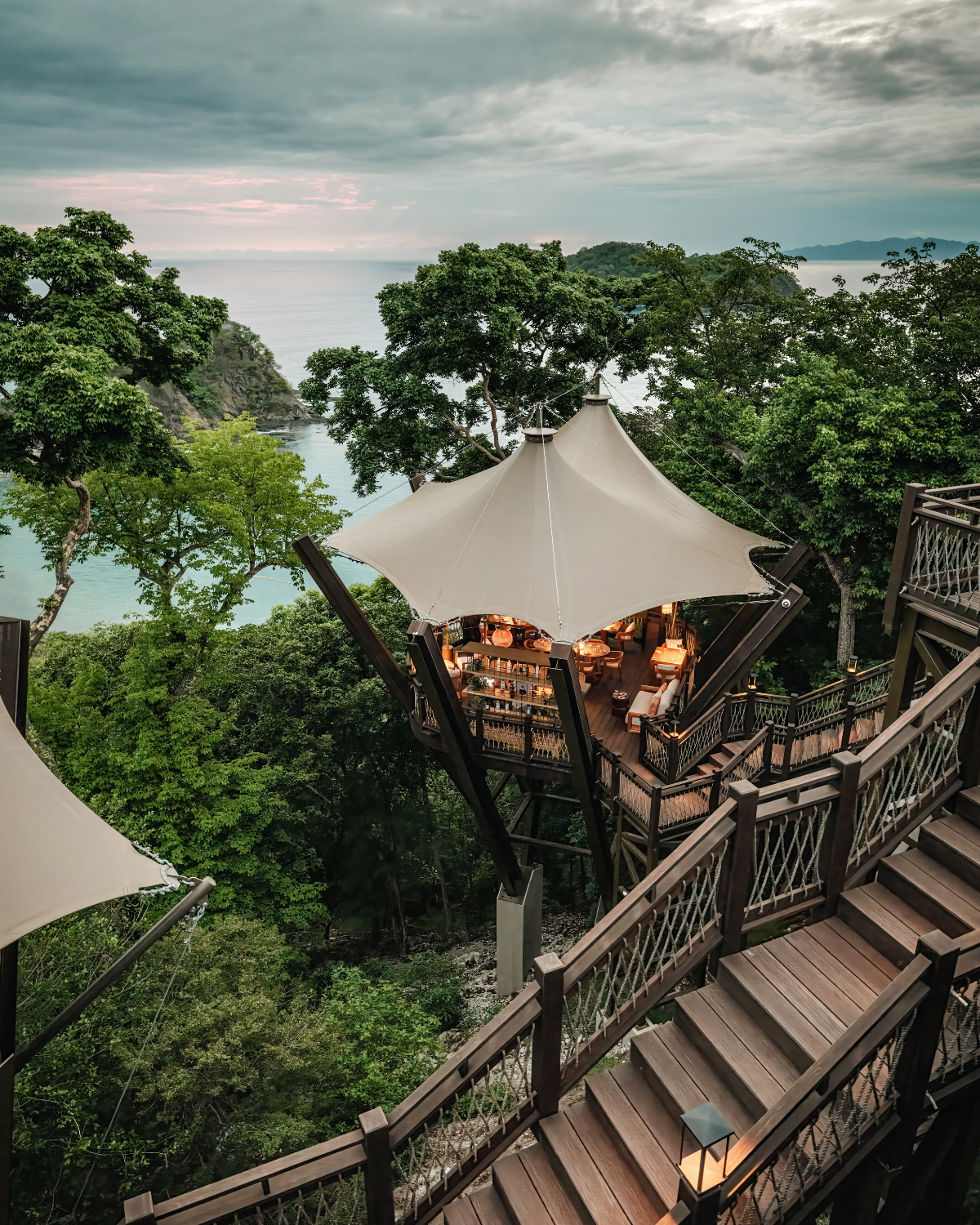
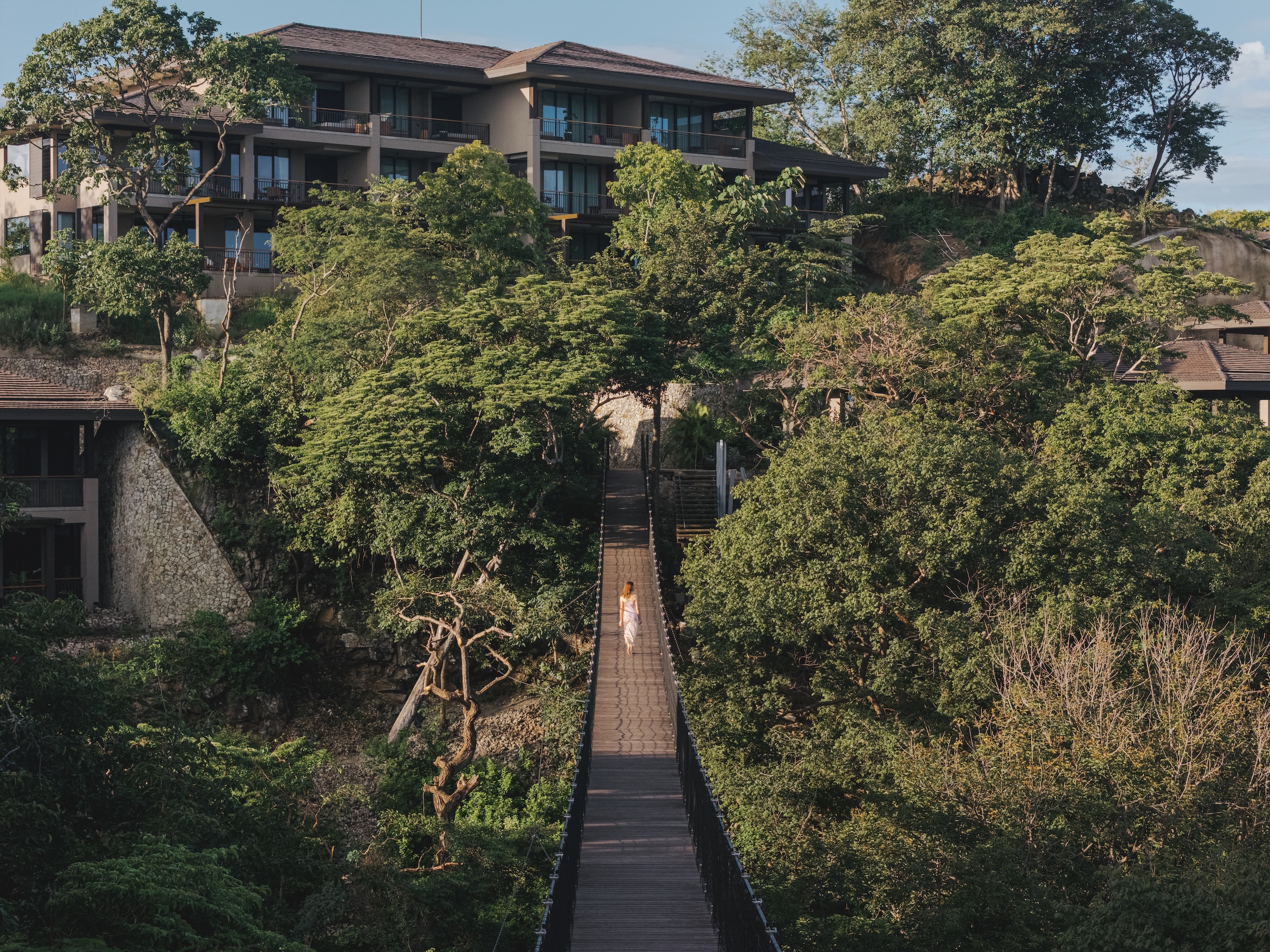
The architecture of the resort follows the contours of the land: ocean-facing suites, villas, and two-bedroom Treetop Tents are positioned throughout the hillside, with private plunge pools and elevated views of the forest canopy. Rather than creating a barrier between guests and nature, the design places them directly within this tension without sacrificing any of the comfort or sanctuary expected from a Ritz-Carlton Reserve stay.
-

-
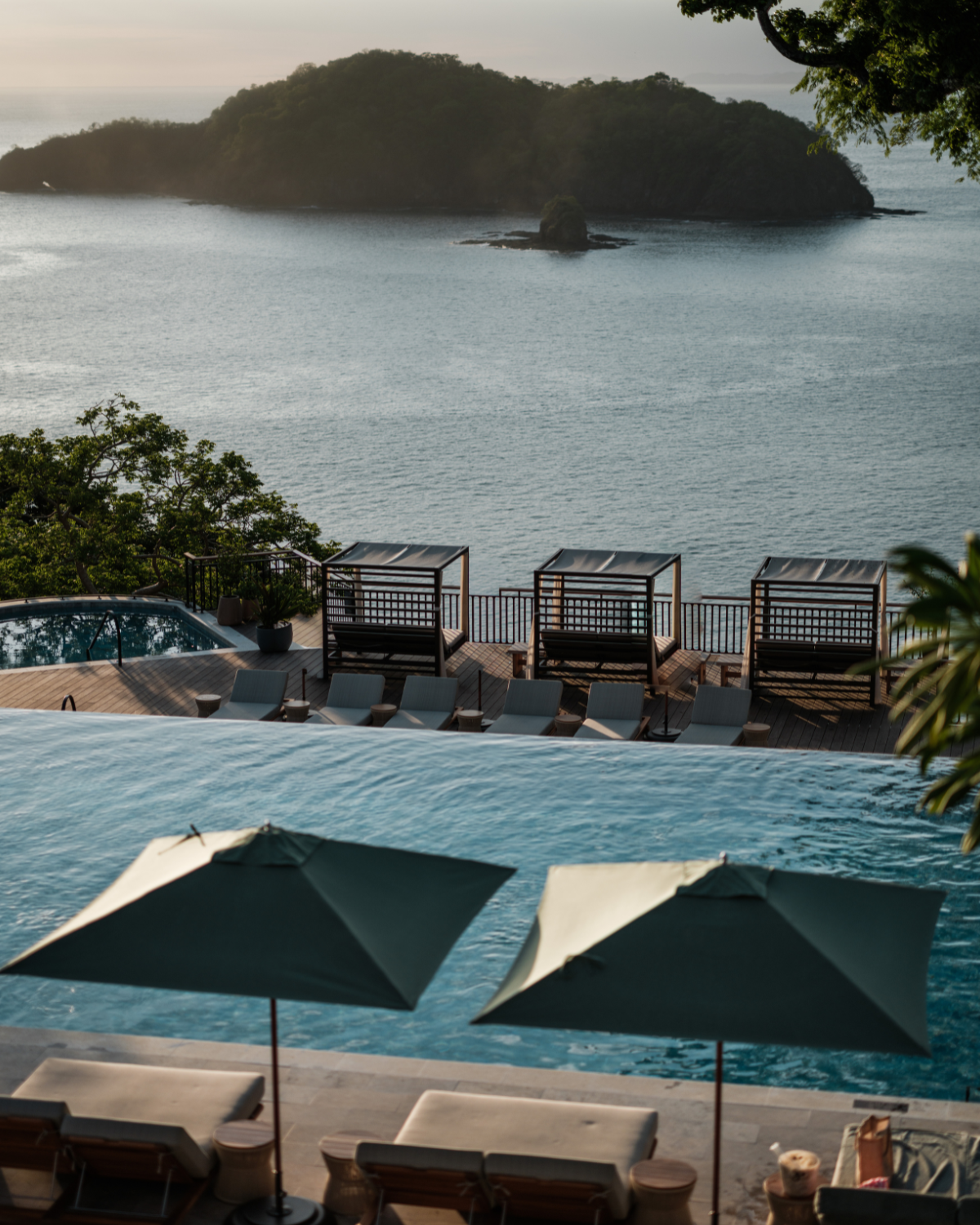
The architecture of the resort follows the contours of the land.
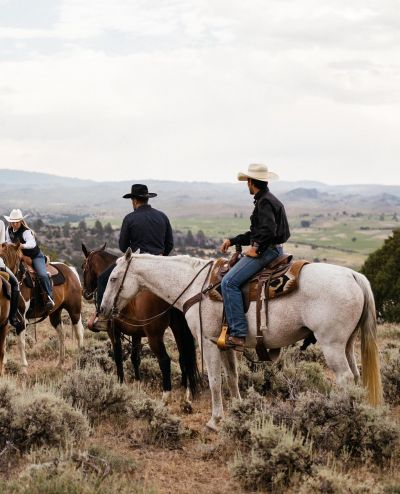
The personalization you’ll feel here begins immediately through the Manzu service model—the unique name for the butler program like Dorado’s Embajador—replacing the traditional front desk with a dedicated host who remains connected throughout the stay via WhatsApp. From arranging a rainforest excursion to coordinating a private dining experience, the Manzu serves as a point of contact for navigating the property and the peninsula. The Papagayo Explorers team leads guided rainforest walks, wildlife spotting, and mangrove canoe excursions where guests may encounter howler monkeys, tropical birds, and other native species. Coffee and cacao rituals highlight local agricultural traditions, while experiences with nearby producers underscore the importance of Costa Rica’s farming communities.
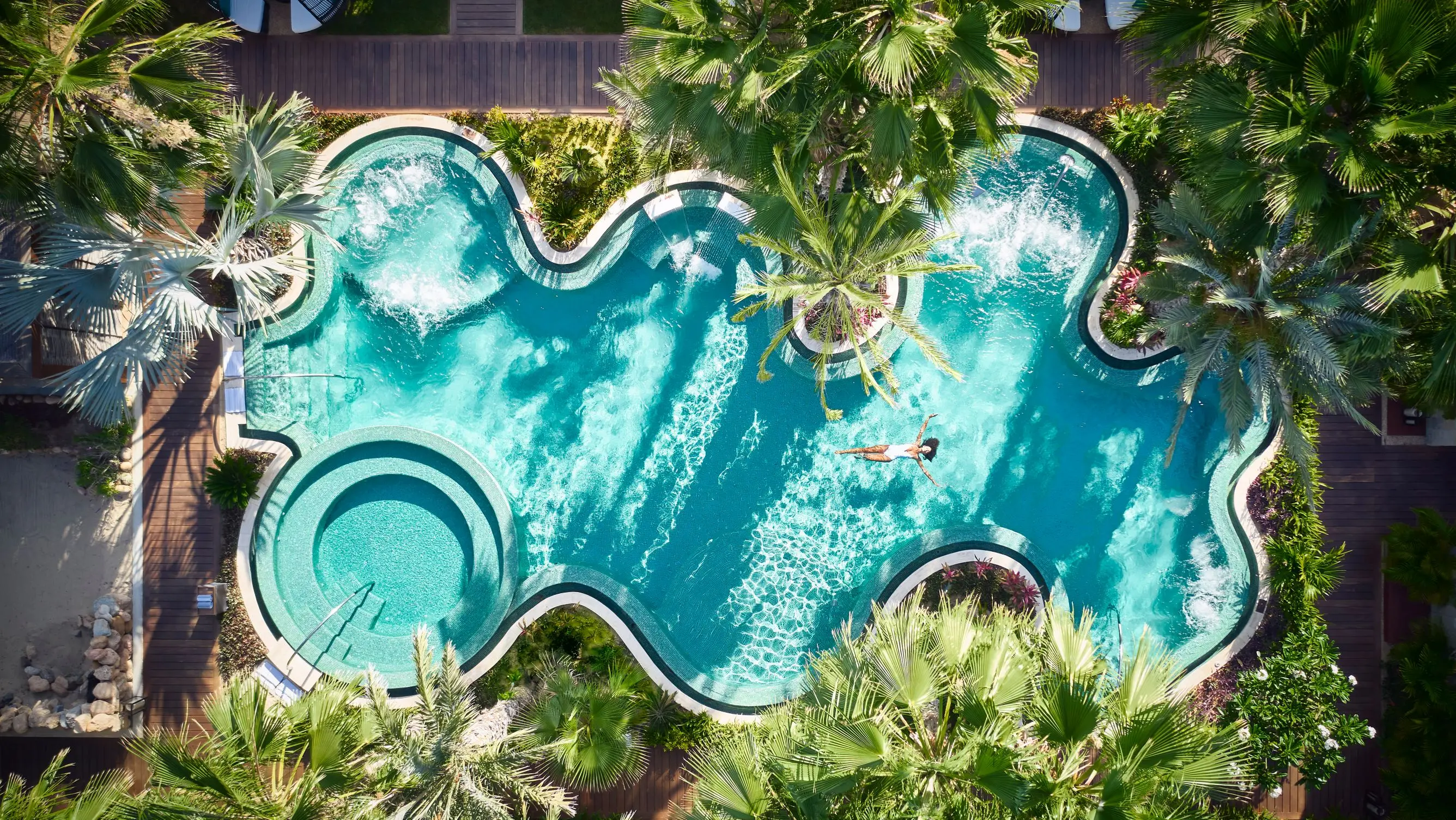
The property’s approach to its culinary program further deepens its commitment to a regional narrative. At Puna, Chef Diego Muñoz creates Peruvian-inspired cuisine using ingredients sourced throughout Costa Rica, while Paruro, the resort’s six-seat omakase counter, delivers a more intimate culinary experience. At Niri Beach Club, Iberian influences meet a relaxed coastal setting, and Café Rincón celebrates Costa Rican coffee through partnerships with local farms. Wellness at Nimbu Spa draws inspiration from the nearby Nicoya Peninsula, one of only five of the world’s Blue Zones where people have been well documented to live longer, healthier lives. Treatments incorporate native botanicals and traditional practices alongside modern hydrotherapy facilities, including an ocean-facing infinity pool and Costa Rica’s largest dedicated hydrotherapy pool. Keep an eye out for the Earth Therapy treatment, an indigenous Chorotega-inspired ninety-minute massage that utilizes clay, pottery, and woodwork designed to recenter.
Wellness Through the Topography of Baja: Zadún, a Ritz-Carlton Reserve
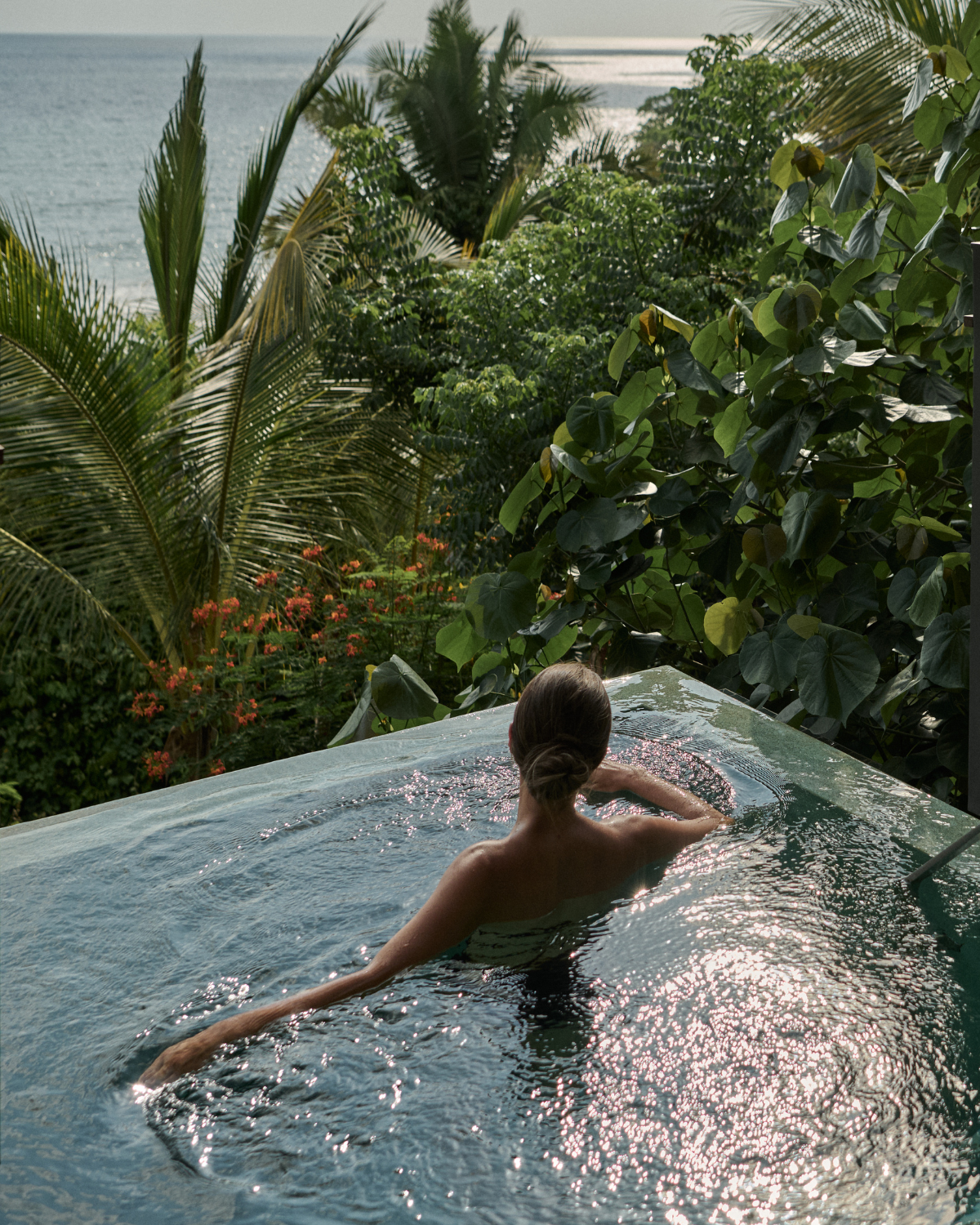
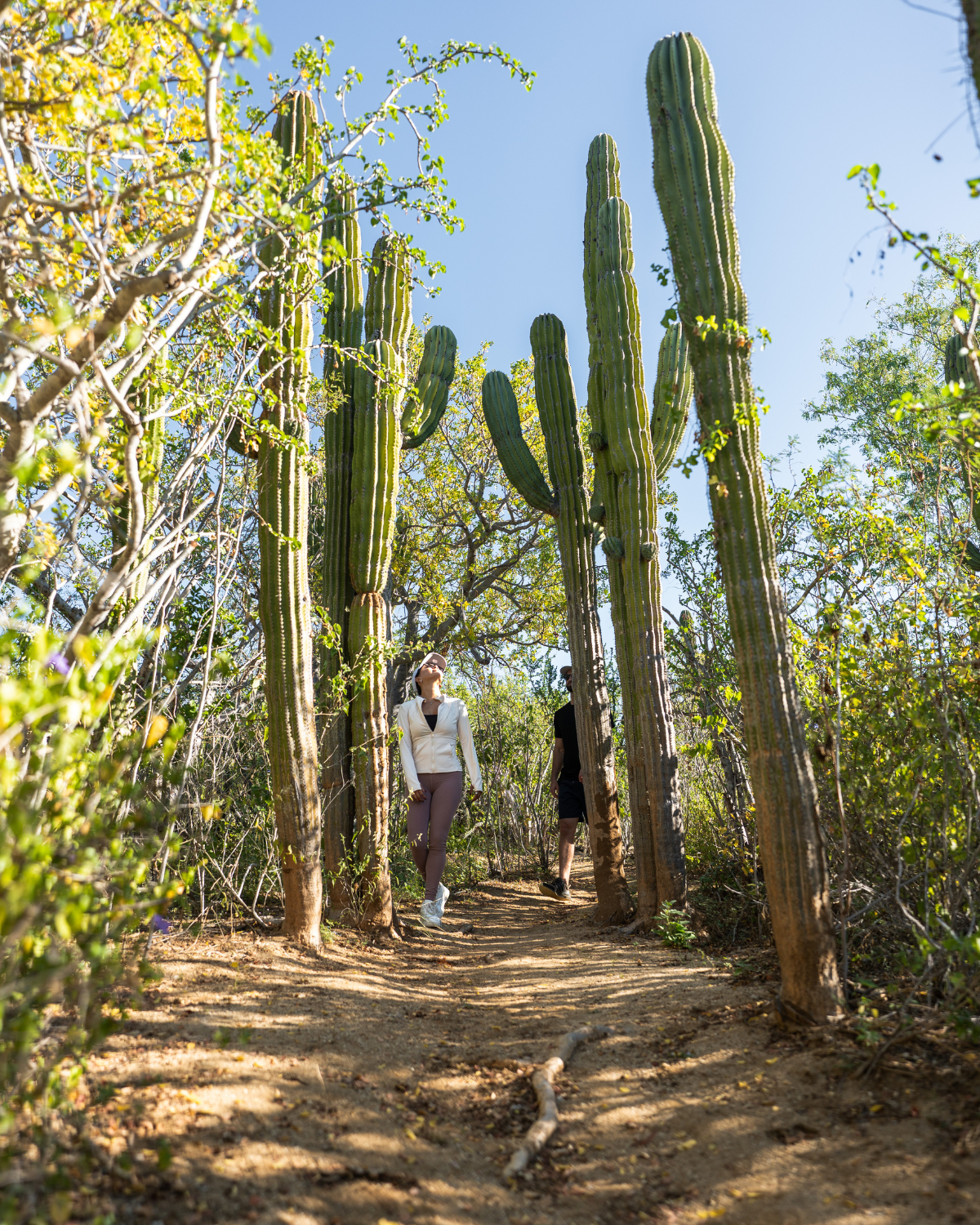
In an era where resort concentration is higher than ever in Cabo, wellness has become one of the driving factors behind client decision-making for where to stay in the region. Channeling the ethos of regional specificity that Nekajui embodies at Zadún, a Ritz-Carlton Reserve, the focus on well-being becomes a distinguishing feature, extending beyond spa treatments and programming to design that embeds zen in your stay. Set along the coast of San José del Cabo, the resort approaches well-being through the lens of Baja itself—a landscape defined by desert, ocean, and a slower pace of life.
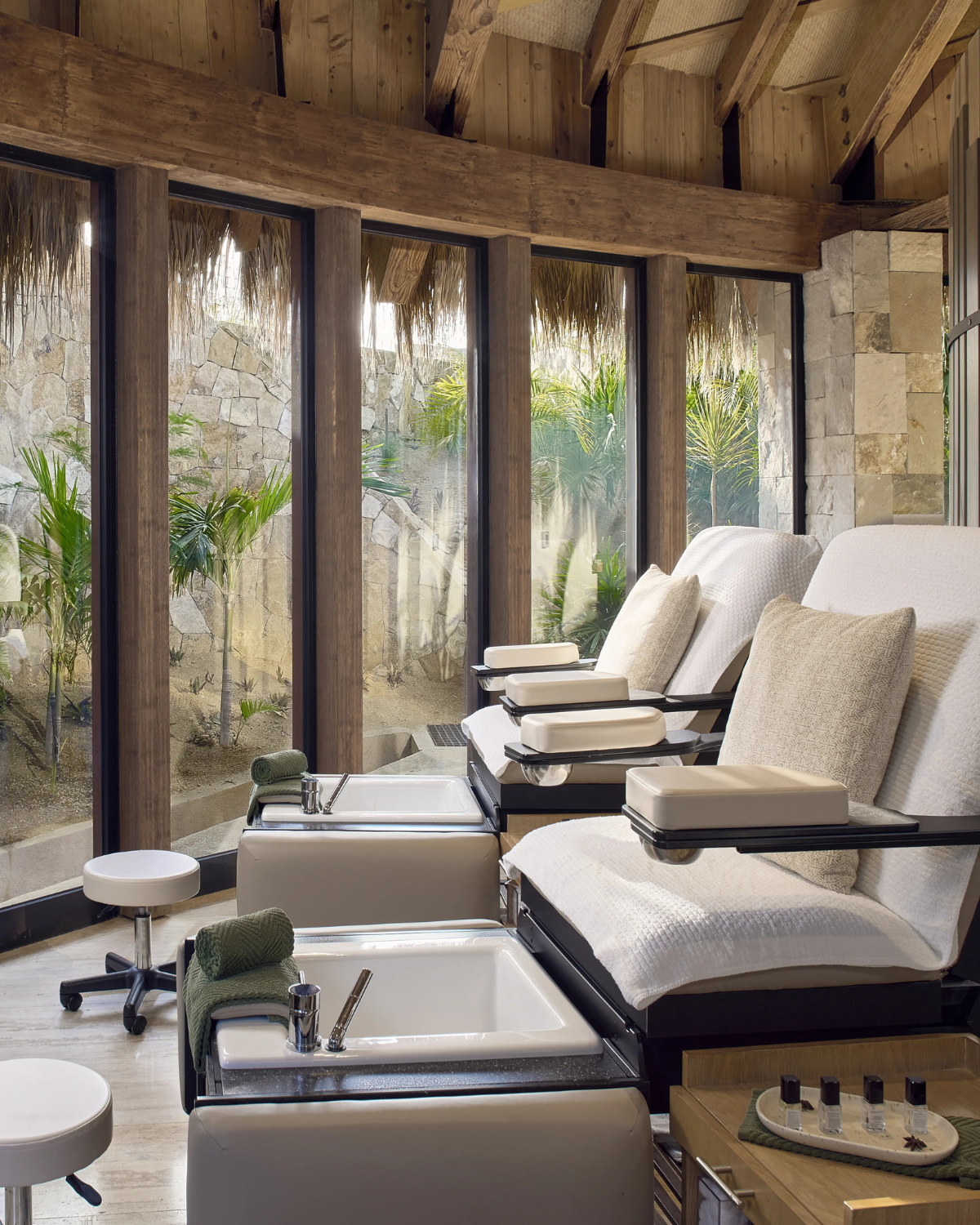
That philosophy is reflected through the property’s partnership with Sensei, whose approach fuses evidence-based wellness with personalized guidance across movement, nutrition, sleep, and mindfulness. Rather than providing a standardized itinerary, those who want a wellness program will begin with an individual assessment to identify personal goals and create a more tailored path forward. Consultations, movement sessions, and private coaching are integrated into the stay, allowing wellness to feel like an intuitive part of the day.
-
-
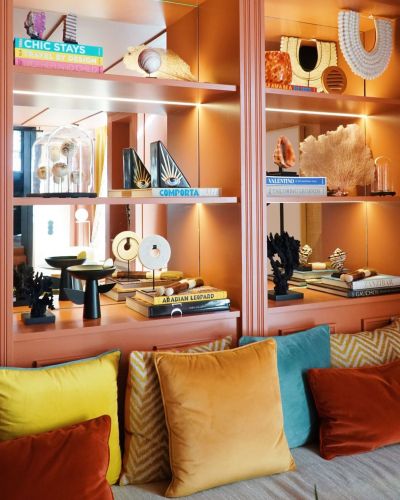
The relationship between the environment and guest experience continues throughout the resort. The property’s 113 suites, villas, and rooms are designed for indoor-outdoor living, with terraces facing the Sea of Cortés and interiors that incorporate Mexican craftsmanship through textiles, artwork, and furnishings sourced from artisans across Oaxaca, Puebla, Jalisco, Yucatán, and Campeche. The colorful design does not rely on a single regional aesthetic; instead, it reflects the diversity of Mexican craft traditions. The Grand Reserve Villa expands that residential approach, offering five bedrooms, private living spaces, and direct beachfront access, giving you a more expansive retreat with the full service of the resort.
Set along the coast of San José del Cabo, the resort approaches wellbeing through the lens of Baja itself—a landscape defined by desert, ocean, and a slower pace of life.
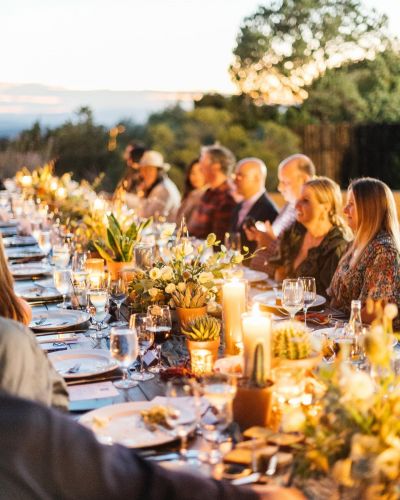
Dining at Zadún follows the same connection to the region. Culinary programs draw on Mexico’s varied traditions, highlighting local seafood, seasonal ingredients, and techniques developed in the country’s coastal and desert regions. Fire and open-flame cooking play an important role, reflecting Baja’s ranching heritage and the resourcefulness that has long defined the peninsula’s cuisine.
Beyond the resort, the UNESCO World Heritage Site, the Sea of Cortés, becomes an extension of the property’s programming through the Ambassadors of the Environment initiative. Guided by naturalists, guests can explore the marine ecosystem through snorkeling, coastal excursions, and educational experiences focused on conservation and the species that inhabit one of the world’s richest bodies of water. This programming extends to the property’s youngest guests. Instead of a standard kids’ club, youngsters can join the “Guardians of Baja” and learn about local biodiversity through a spectacular selection of education, creativity, and play. That commitment continues through the resort’s sustainability practices, as reflected in its Green Key certification, which recognizes ongoing efforts in environmental accountability and operational stewardship.
Conservation as the Next Chapter: Siari, a Ritz-Carlton Reserve
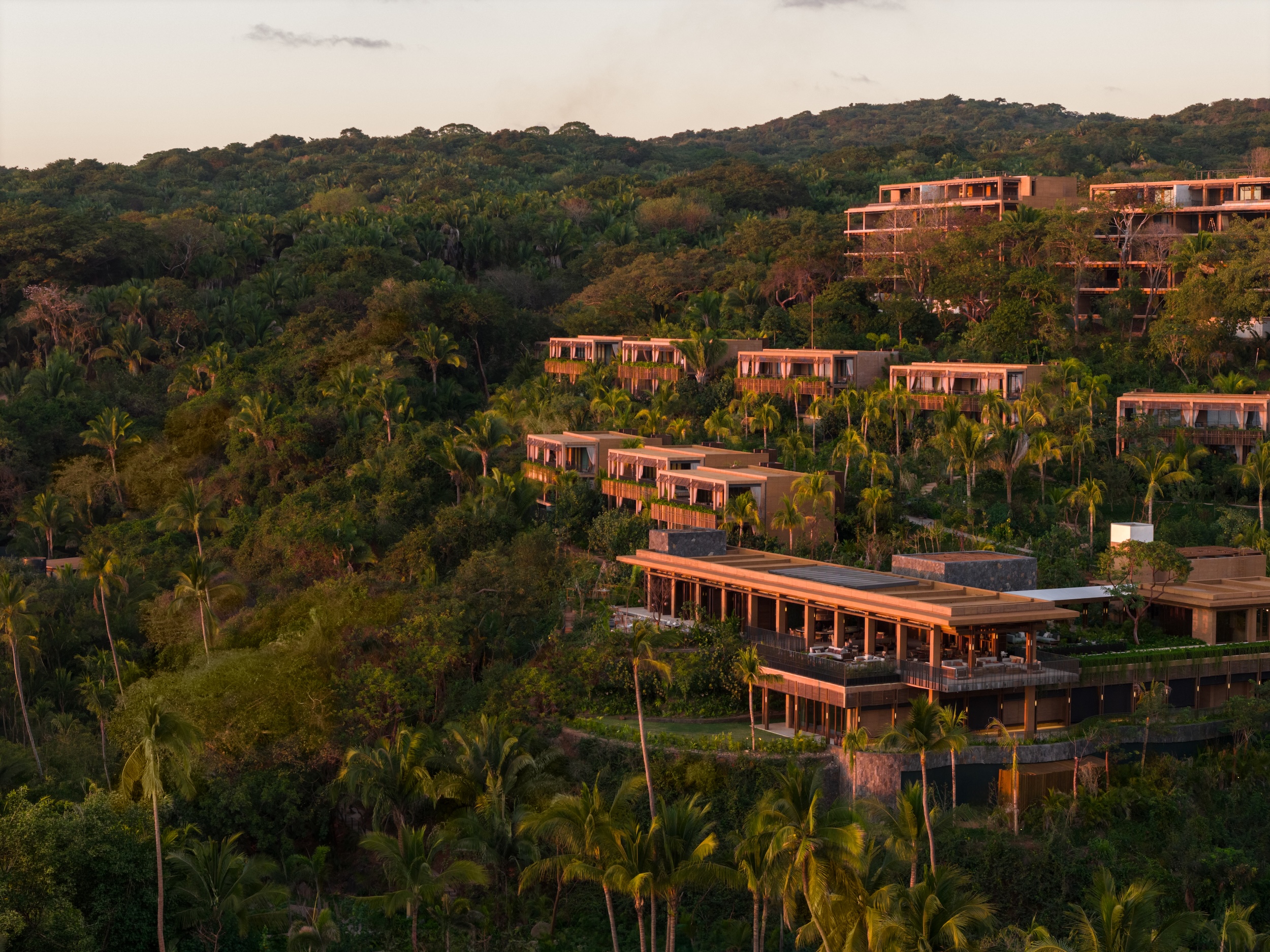
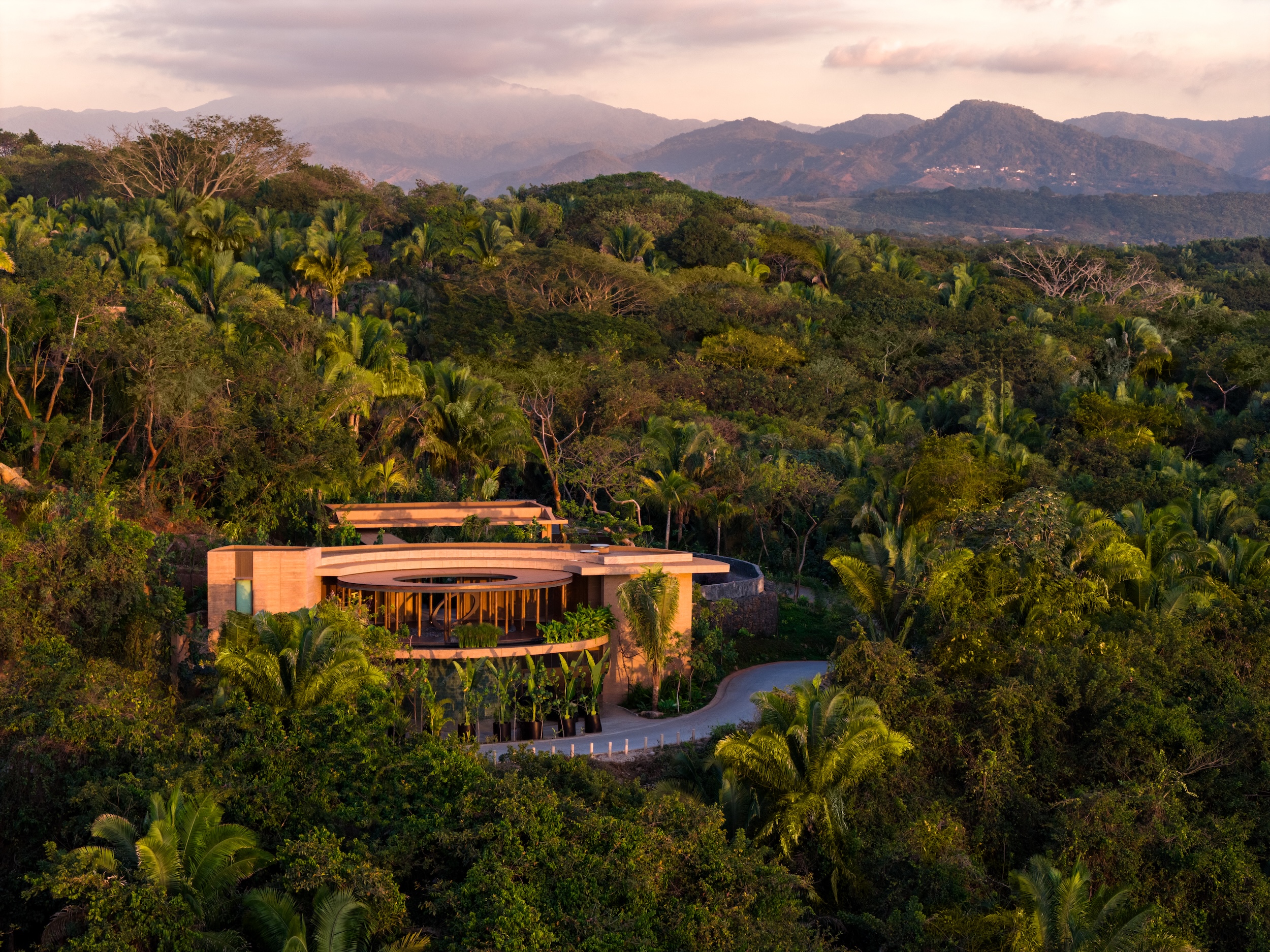
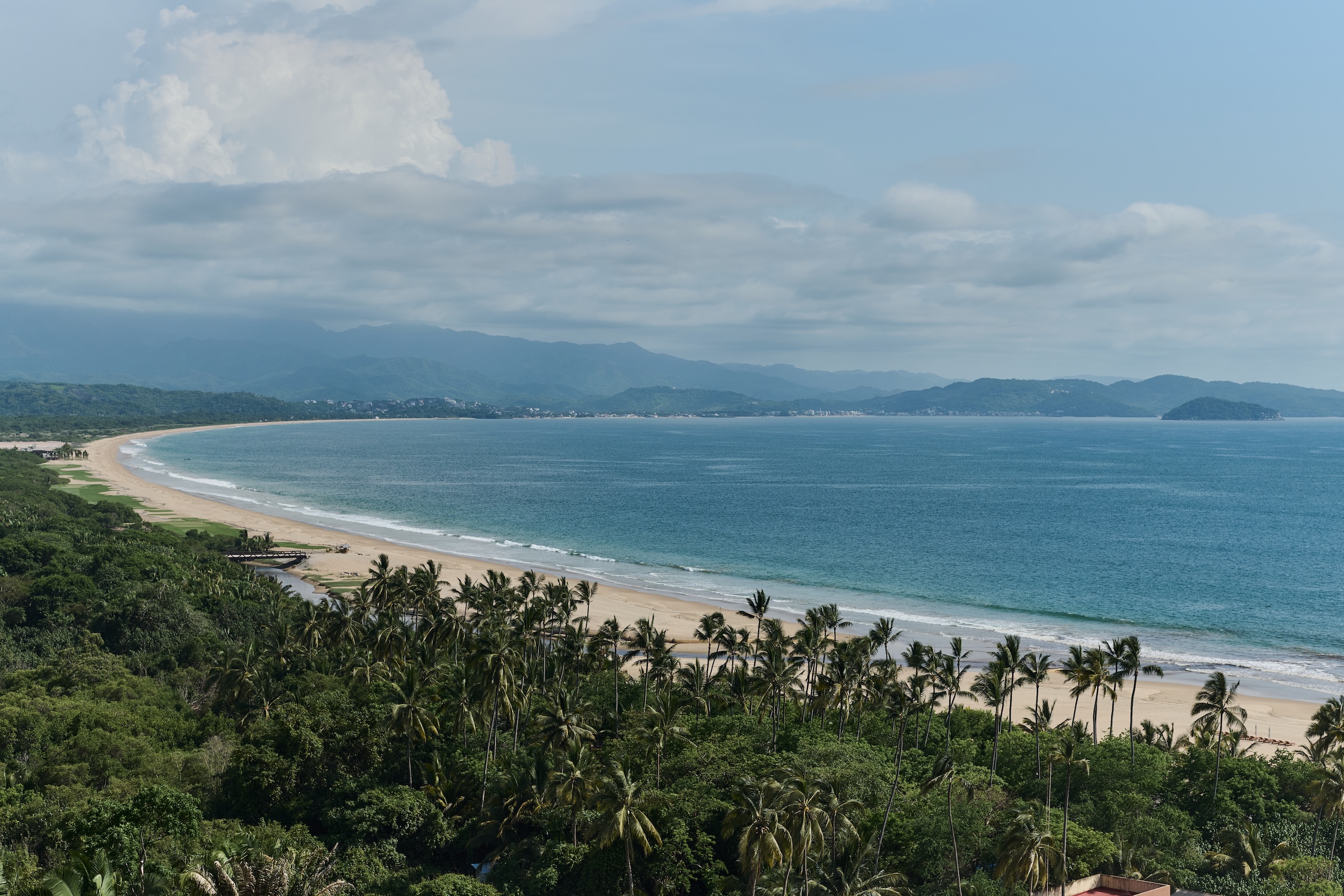
If Dorado Beach represents the preservation of a historic estate, Siari, a Ritz-Carlton Reserve, represents a new phase in destination development—one centered on protecting a rare stretch of coastline before it changes. Located within the Nauka enclave along Mexico’s Riviera Nayarit, Siari occupies a 920-acre private reserve between the Sierra Madre mountains and the Pacific Ocean. The setting is defined by the backdrop of an evergreen jungle, mangrove ecosystems, and more than four miles of golden-sand beach—a scene where wildlife corridors and natural habitats remain central to the experience. The journey to Siari reinforces that sense of remoteness. A scenic ninety-minute drive from Puerto Vallarta International Airport winds through jungle-covered terrain before arriving at a resort built into the landscape rather than placed above it.
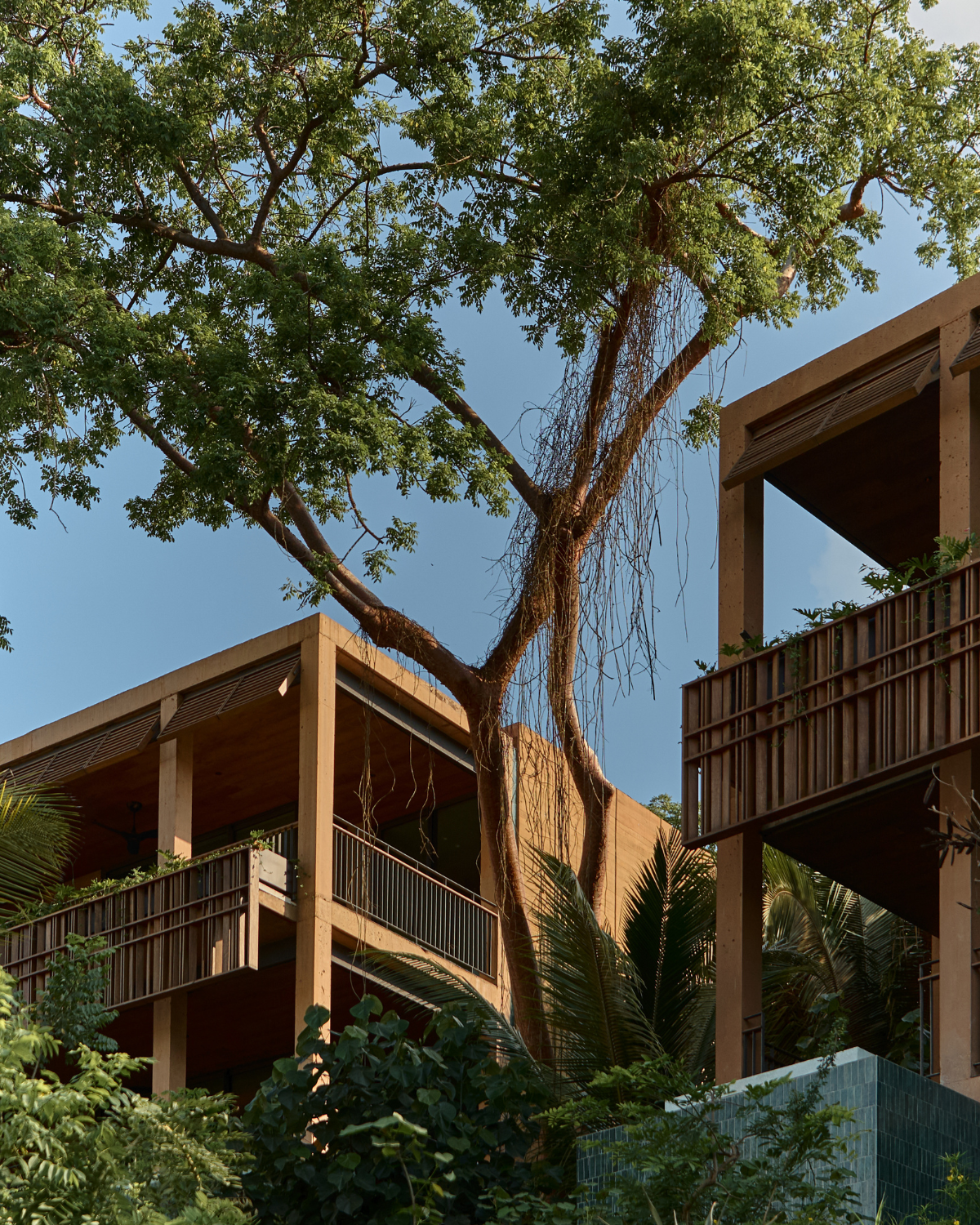
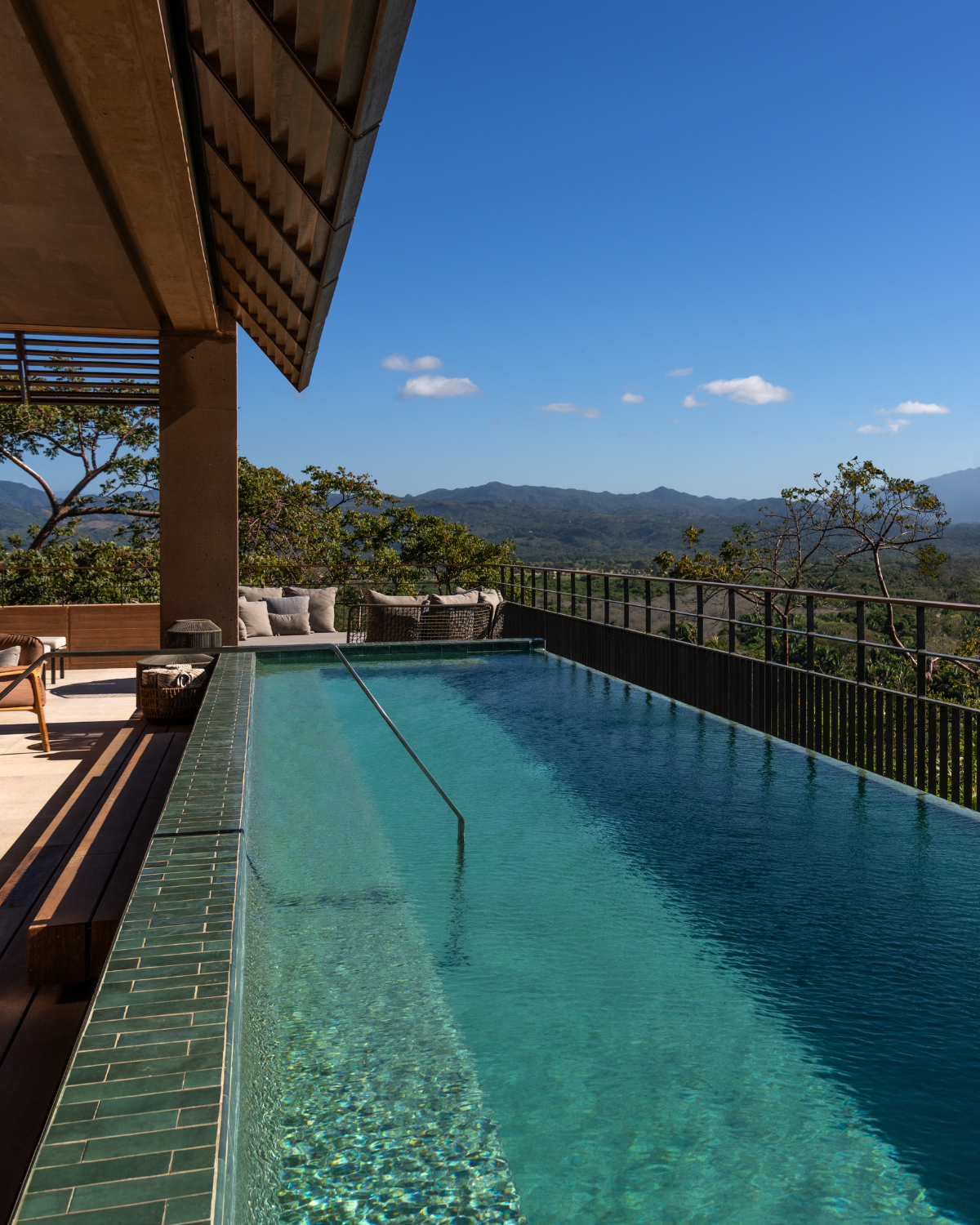
Designed by Bernardi + Peschard Arquitectura, accommodations follow the property’s natural contours. Its ninety ocean-view rooms and suites, along with thirty-four private residences including its five-bedroom Presidential set to be complete just ahead of festive season 2026, feature expansive terraces, local wood and stone, and uninterrupted views toward the Pacific. Interiors feature elements inspired by Wixárika artistry, expressing the region’s cultural heritage through craftsmanship and design details.
-
-
Carrying over the individualized butler service at Siari, you’ll be paired with a Yakana, a companion who guides your stay and connects you with the surrounding environment. That connection extends through the culinary program, where indigenous ingredients and regional customs shape the dining experience. The signature dining experience at Zula, Siari’s signature restaurant, offers a truly can’t-miss meal from Mexican celebrity Chef David Castro Hussong. Open-fire cooking, locally sourced seafood, and recipes influenced by the communities of Riviera Nayarit highlight the relationship between food and geography. The resort’s wellness offering draws from the traditions of the Wixárika people, whose cultural practices recognize nature as a source of balance and renewal. Treatments incorporate elemental therapies and rituals inspired by the Mexican habitat, while the spa itself is positioned as a place of restoration within the larger landscape.
Siari represents a different vision for travel to Mexico—one where development and preservation are carefully considered.
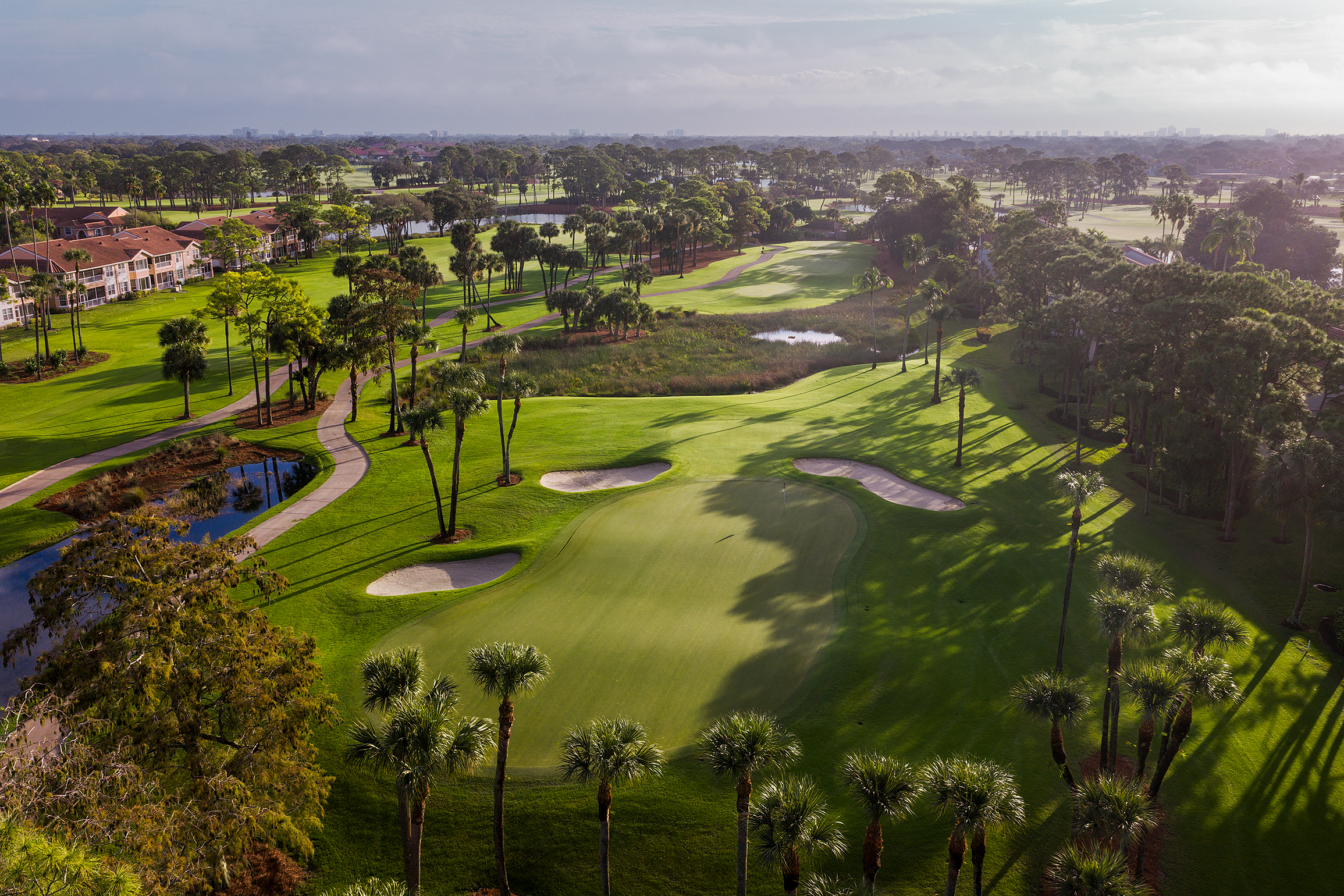
Adventure at Siari is defined by access to that same precious ecosystem. Through the Jean-Michel Cousteau Ambassadors of the Environment program, guests explore the region alongside marine educators and naturalists, learning about coastal habitats, ocean conservation, and the species that inhabit the area. Nearby experiences include jungle walks, whale watching during migration season from November to March, and exploration of hidden coves along the Pacific coastline. The property’s connection to conservation also goes beyond the resort through its relationship with the broader Nauka community, including access to the Tom Fazio-designed Nauka Golf Club, whose course was designed with the natural environment in mind—instead of being built against the topography, the course was built adhering to the jungle, volcanic cliffs, mangrove estuaries, and oceanfront. The grass is Pure Dynasty-seeded paspalum, chosen because it thrives in tropical environments and therefore requires less water and fertilizer.
Siari represents a different vision for travel to Mexico—one where development and preservation are carefully considered. Its appeal is not simply that it is remote, but that it offers access to a landscape that remains largely unchanged. In a world where untouched places are increasingly difficult to find, protecting that rarity becomes part of the stay.
Matching Travelers to Places, Not Properties
The value of the Ritz-Carlton Reserve portfolio is not found in comparing room categories or resort amenities. Each property serves a different type of traveler because each destination presents a different reason to visit. The conversation begins less with “What do you want from a hotel?” and more with “What are you hoping to experience?” That distinction matters because these four Reserve properties across the Caribbean and Latin America have an appeal rooted in the stories they tell, the landscapes they occupy, and the way they invite you to engage with your surroundings.
The properties are not interchangeable per se; instead, they’re distinct options your SmartFlyer travel advisor can discern between and recommend the best for you based on your interests, seasonality, and what you’re seeking. A stay at Dorado Beach cannot be recreated in Costa Rica. The rainforest experience of Nekajui cannot be transported to Baja. The wellness philosophy of Zadún belongs to the desert and sea. The conservation story of Siari depends on the coastline it protects.
Each Ritz-Carlton Reserve property begins with a different landscape yet can help answer the question: what makes this place worth knowing? This approach creates something more lasting than an aesthetically pleasing stay. It creates a deeper connection to the destinations you visit—and a reason to remember not only where you traveled, but what you discovered there.